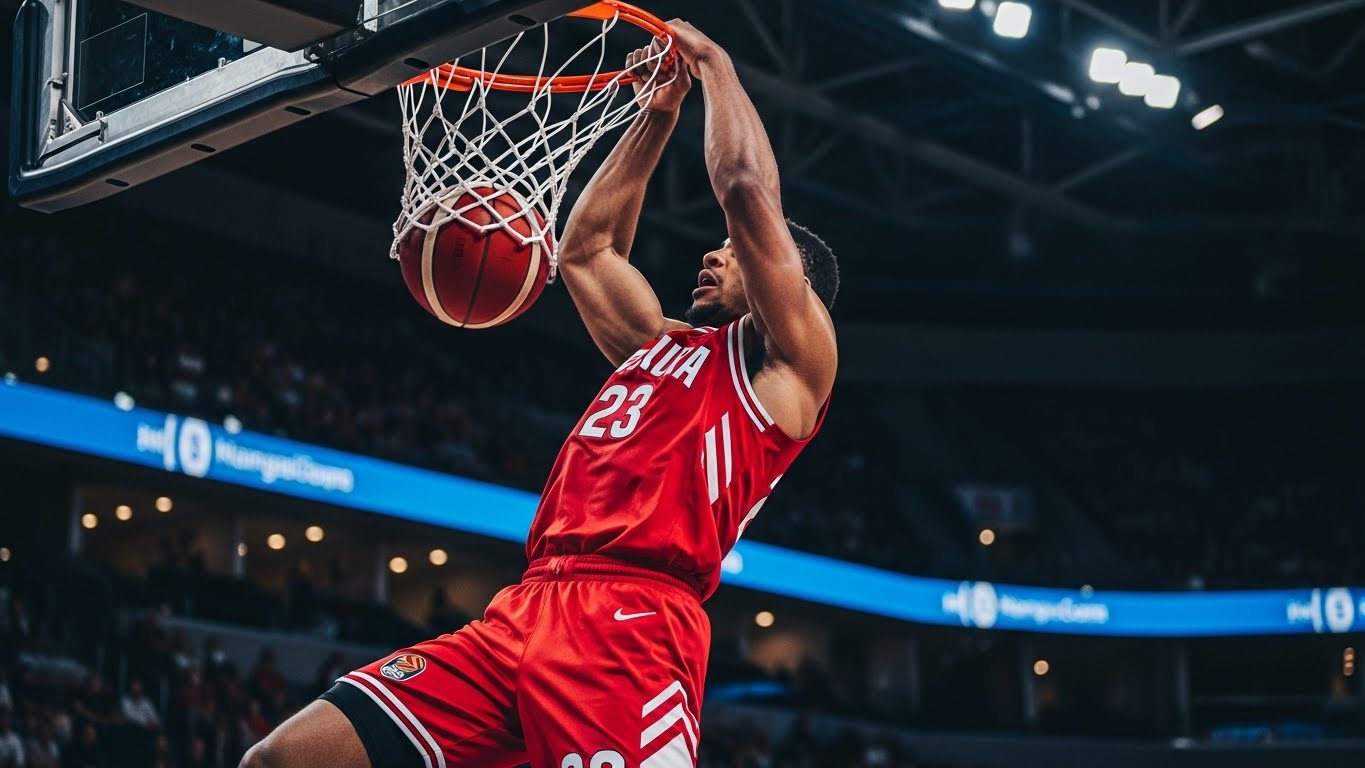

Sports have always been an integral part of human culture, transcending borders, languages, and generations. From ancient civilizations to modern societies, sports have played a vital role in shaping communities, fostering teamwork, and inspiring individuals to push their limits. They are not merely games; they are a reflection of human passion, dedication, and resilience. In this blog, we explore various aspects of sports, from history and physical benefits to the impact on society and personal development.
The Historical Evolution of Sports
Sports have existed since ancient times, often intertwined with rituals, warfare, and entertainment. Archaeological evidence suggests that people engaged in organized athletic activities thousands of years ago. Ancient Egypt and Mesopotamia featured competitions like archery, wrestling, and swimming, primarily as a demonstration of skill and strength.
The Greeks further refined sports with the birth of the Olympic Games around 776 BC. The Olympics were more than athletic contests; they were cultural events celebrating the human body, discipline, and excellence. Athletes trained rigorously for months, and victories were seen as a source of honor and prestige.
Similarly, ancient Rome introduced gladiatorial contests and chariot races, combining physical skill with entertainment, often reflecting societal hierarchy and political power. Over centuries, sports evolved, becoming structured, codified, and widely accessible to the masses, leading to the diverse range of activities we witness today.
The Physical Benefits of Sports
Engaging in sports offers numerous physical advantages that contribute to overall well-being. Regular participation helps improve cardiovascular health, strength, flexibility, and coordination. For instance, sports like soccer and basketball demand high levels of endurance and agility, while weightlifting and gymnastics enhance muscular strength and body control.
Sports also play a critical role in weight management and disease prevention. They help regulate body fat, improve metabolism, and strengthen the immune system. Children who participate in sports often develop stronger bones and better motor skills, laying the foundation for a healthy lifestyle that continues into adulthood.
Beyond physical fitness, sports contribute to mental wellness. Physical activity releases endorphins, which reduce stress, anxiety, and depression. The combination of movement, focus, and social interaction creates a holistic approach to health, benefiting both body and mind.
Sports as a Catalyst for Mental Strength
While the physical benefits are evident, sports profoundly impact mental and emotional development. Competing in sports requires concentration, strategic thinking, and problem-solving skills. Athletes learn to assess situations, make quick decisions, and adapt to changing circumstances—skills that are invaluable in everyday life.
Sports also teach resilience and perseverance. Losing is an inevitable part of competition, and learning to cope with setbacks fosters a growth mindset. Champions are often those who embrace failure as a learning opportunity, using it to fuel improvement rather than succumbing to frustration.
Team sports, in particular, nurture interpersonal skills and emotional intelligence. Athletes develop empathy, communication, and conflict resolution abilities, learning to balance personal ambition with collective goals. Even individual sports like tennis or swimming demand self-discipline, focus, and mental endurance, demonstrating that sports cultivate strong character traits essential for personal growth.
The Diversity of Sports Around the World
The world of sports is vast, encompassing a wide range of activities that cater to various interests, cultures, and abilities. Traditional sports like soccer, cricket, and basketball dominate global attention, while niche sports such as curling, archery, and fencing maintain dedicated communities.
Soccer, often called the “world’s game,” is a unifying force across continents, bringing people together in stadiums, streets, and living rooms. Cricket, a sport deeply rooted in countries like India, England, and Australia, combines strategy, skill, and patience, captivating millions of fans. Basketball, with its fast-paced action and athleticism, has become a global phenomenon, influencing youth culture and urban communities.
Other sports like martial arts, gymnastics, and track and field test precision, agility, and speed, showcasing the incredible capabilities of the human body. Winter sports such as skiing, snowboarding, and ice hockey challenge athletes in harsh conditions, highlighting endurance and adaptability. The diversity of sports ensures that there is something for everyone, regardless of age, gender, or physical ability.
The Role of Sports in Society
Sports are not only a form of entertainment; they play a significant role in shaping societies. They foster unity, bridge cultural gaps, and provide a platform for social change. International events like the Olympics and the World Cup bring nations together, promoting mutual respect and understanding through healthy competition.
Sports also offer opportunities for economic development. Professional leagues, tournaments, and sports-related industries generate employment, tourism, and revenue. Cities hosting major events witness infrastructure growth and increased global visibility, showcasing the profound societal impact of sports beyond the playing field.
Moreover, sports serve as a tool for education and empowerment. Youth programs and community initiatives use athletics to instill discipline, teamwork, and leadership. In many regions, sports provide avenues for underprivileged children to rise above socioeconomic barriers, offering scholarships, mentorship, and career opportunities.
Iconic Athletes and Their Legacy
Athletes are the embodiment of dedication, talent, and inspiration. From legendary figures like Muhammad Ali and Pelé to contemporary stars like Serena Williams and Lionel Messi, sports personalities have transcended their disciplines to become global icons.
Muhammad Ali, renowned for his boxing prowess, symbolized courage both inside and outside the ring. His advocacy for civil rights and social justice elevated him from athlete to cultural icon. Pelé, the Brazilian soccer legend, inspired generations with his skill, creativity, and sportsmanship, shaping the modern game of soccer.
Similarly, Serena Williams revolutionized tennis with her dominance, resilience, and advocacy for gender equality. Lionel Messi, with his extraordinary talent and humility, continues to captivate fans worldwide. These athletes remind us that sports are more than competition—they are a platform for impact, legacy, and inspiration.
Women in Sports: Breaking Barriers
Historically, sports were dominated by men, with women often excluded from competition. However, the rise of women’s sports has shattered stereotypes, empowering female athletes and inspiring generations. Events like the FIFA Women’s World Cup, WNBA, and Wimbledon showcase the talent, dedication, and resilience of women in sports.
Female athletes face unique challenges, including unequal pay, limited exposure, and societal expectations. Despite these hurdles, they continue to excel, breaking records and challenging norms. Icons like Billie Jean King, Simone Biles, and Megan Rapinoe have used their platforms to advocate for gender equality, inclusivity, and social justice, proving that sports can be a powerful catalyst for change.
The Psychology of Sports Fandom
Sports fandom is a fascinating phenomenon, reflecting the deep emotional connection between fans and their favorite teams or athletes. Fans experience joy, disappointment, and even grief alongside the outcomes of games, demonstrating the profound psychological impact of sports.
Being a sports fan fosters a sense of belonging and identity. Communities form around shared support for teams, creating friendships and bonds that transcend geography and background. The rituals, chants, and traditions associated with fandom contribute to cultural identity and social cohesion, highlighting the role of sports as a unifying force in society.
Sports Technology and Innovation
The evolution of sports has been greatly influenced by technology, enhancing both performance and entertainment. From advanced training equipment to analytics software, technology allows athletes to optimize their skills and reduce the risk of injury. Wearable devices track heart rate, distance, and motion, providing insights that were once unimaginable.
In professional competitions, technology ensures fairness and accuracy. Video assistant referees (VAR), goal-line technology, and instant replay systems have transformed how games are officiated, minimizing human error and enhancing credibility. Additionally, broadcasting innovations bring sports to global audiences, creating immersive experiences through high-definition visuals, virtual reality, and interactive platforms.
The Future of Sports
As we look to the future, sports continue to evolve, embracing inclusivity, sustainability, and innovation. Adaptive sports for differently-abled athletes are gaining prominence, highlighting the importance of accessibility and representation. Sustainability initiatives in stadiums, events, and leagues address environmental concerns, ensuring that sports contribute positively to the planet.
Emerging trends like esports are redefining the concept of sports, blending competition, strategy, and digital entertainment. While traditional physical sports will always retain their charm, esports demonstrates that the spirit of competition transcends physical boundaries, appealing to a new generation of fans and participants.
Conclusion: The Enduring Power of Sports
Sports are far more than just games; they are a celebration of human potential, creativity, and resilience. They unite communities, inspire individuals, and create lasting legacies that transcend generations. Whether through physical prowess, mental strength, or social impact, sports reflect the best qualities of humanity—passion, perseverance, and the relentless pursuit of excellence.
In every corner of the world, sports continue to inspire, challenge, and entertain. They remind us that while victory is celebrated and defeat endured, the true essence of sports lies in participation, growth, and the joy of the game. As long as people play, cheer, and dream, sports will remain an integral part of life, shaping individuals and society for years to come.