Introduction: More Than Just a Game
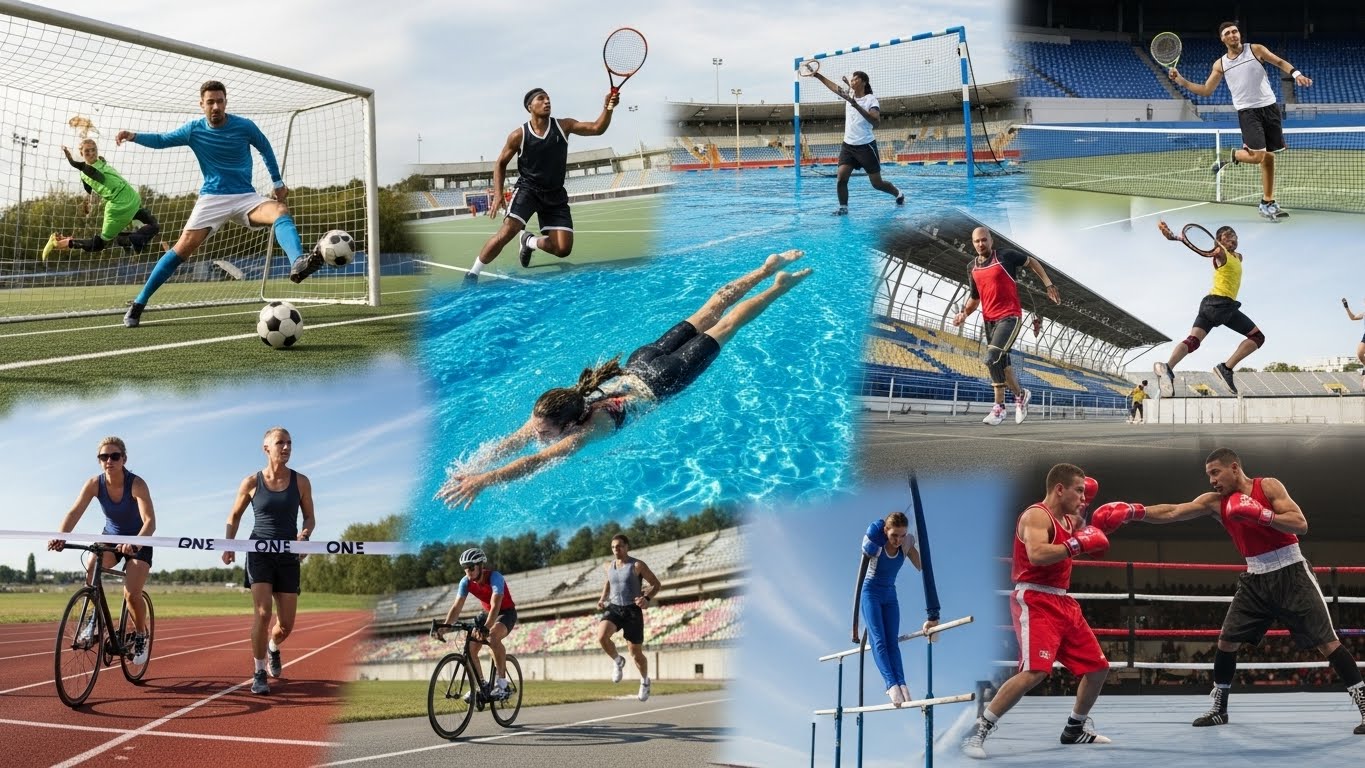
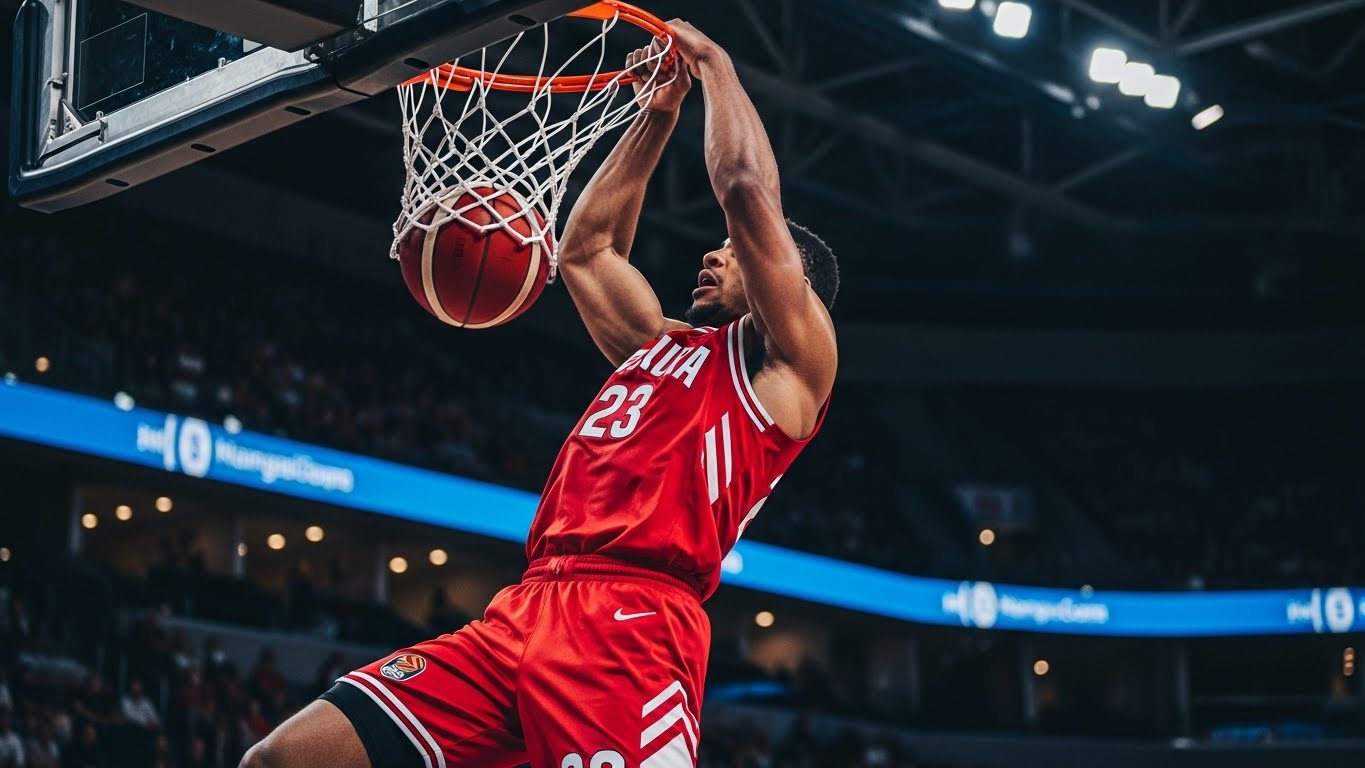
Sports have always been more than competition. While the scoreboard tells one story, the real impact of sports is written in the lives of athletes, fans, and communities across the world. From dusty playgrounds to massive stadiums filled with roaring crowds, sports influence how people think, behave, and connect with one another. They teach discipline, inspire dreams, and often reflect the values and struggles of society itself. This blog explores how sports go far beyond physical activity, shaping character, culture, and community in powerful and lasting ways.
The Evolution of Sports in Human History
Sports have existed in some form since ancient civilizations. Early societies used physical contests to prepare for war, celebrate festivals, and honor their gods. Over time, these activities evolved into organized games with rules, teams, and spectators. Modern sports are now a blend of tradition and innovation, combining age-old values like fair play with advanced technology and global media coverage. This evolution shows how deeply sports are woven into human history and why they continue to matter today.
Sports as a Builder of Character
One of the greatest contributions of sports is character development. Athletes learn discipline through training, patience through setbacks, and resilience through losses. Winning teaches confidence, but losing teaches humility and determination. These lessons extend far beyond the field. Many successful individuals credit sports for shaping their work ethic, leadership skills, and ability to handle pressure. Sports create an environment where effort is rewarded, teamwork is essential, and perseverance becomes a habit.
The Role of Teamwork and Leadership
Team sports, in particular, highlight the importance of cooperation and trust. No matter how talented an individual may be, success often depends on how well players work together. Athletes learn to communicate, support one another, and accept different roles for the benefit of the team. Leadership naturally emerges in these settings, teaching players how to motivate others, make decisions under pressure, and lead by example. These qualities are valuable in every aspect of life, from education to professional careers.
Sports and Mental Strength
While physical fitness is an obvious benefit of sports, mental strength is equally important. Athletes face pressure from competition, expectations, and sometimes failure. Learning to manage stress, stay focused, and remain confident builds mental toughness. Sports also provide an emotional outlet, helping individuals cope with anxiety and frustration. For many people, playing or watching sports offers a sense of balance and mental well-being in an otherwise stressful world.
Cultural Identity and National Pride
Sports often play a major role in shaping cultural identity. Traditional games reflect local history and values, while international competitions bring nations together under a shared sense of pride. When athletes represent their countries, they carry more than a uniform; they carry hopes, traditions, and collective emotions. Victories are celebrated as national achievements, while defeats are felt deeply. Through sports, people express who they are and where they come from.
The Power of Sports in Uniting Communities
One of the most beautiful aspects of sports is their ability to unite people. In a stadium or on a neighborhood field, differences in age, background, and beliefs often fade away. Fans cheer together, share emotions, and create a sense of belonging. Community sports programs strengthen social bonds by bringing people together for a common purpose. In times of crisis or division, sports have repeatedly shown their power to heal, inspire, and rebuild connections.
Youth Development and Education Through Sports
For young people, sports are a powerful educational tool. They teach responsibility, time management, and respect for rules and authority. Participation in sports encourages healthy habits and keeps youth engaged in positive activities. Many young athletes learn important life lessons such as handling success responsibly and responding to failure constructively. Schools and community programs that promote sports often see improvements in confidence, discipline, and academic motivation among students.
Professional Sports and Modern Challenges
While professional sports inspire millions, they also face significant challenges. Commercialization, intense media pressure, and unrealistic expectations can affect athletes’ physical and mental health. Balancing performance with well-being has become an important conversation in modern sports. Despite these challenges, professional athletes continue to serve as role models, using their platforms to raise awareness about social issues and inspire positive change.
Technology and the Future of Sports
Technology has transformed the sports world in remarkable ways. Advanced training methods, performance analysis, and injury prevention techniques have raised the level of competition. Fans now experience sports through immersive broadcasts and real-time updates. While technology enhances accuracy and entertainment, it also raises questions about fairness and tradition. The future of sports will depend on finding the right balance between innovation and the human spirit that makes competition meaningful.
Sportsmanship and Fair Play
At the heart of sports lies sportsmanship. Respect for opponents, officials, and the rules defines the true spirit of competition. Fair play teaches integrity and honesty, reminding athletes that how the game is played matters more than the result. When sportsmanship is upheld, sports become a powerful example of ethical behavior. When it is ignored, the meaning of competition is diminished. Promoting respect and fairness is essential for preserving the values of sports.
Inspiration Beyond the Field
Sports stories often inspire people far beyond the game itself. Tales of athletes overcoming injury, poverty, or discrimination resonate deeply with fans. These stories remind us that success is rarely easy and that determination can overcome great obstacles. Even those who never play sports can find motivation in the journeys of athletes who refuse to give up on their dreams.
Conclusion: The Lasting Impact of Sports
Sports are a reflection of life itself, filled with challenges, triumphs, teamwork, and emotion. They shape character, strengthen communities, and bridge cultural divides. Whether played casually or professionally, sports leave a lasting impact on individuals and society. Beyond trophies and records, the true value of sports lies in the lessons they teach and the connections they create. In a constantly changing world, sports remain a powerful force that continues to inspire, unite, and transform lives.