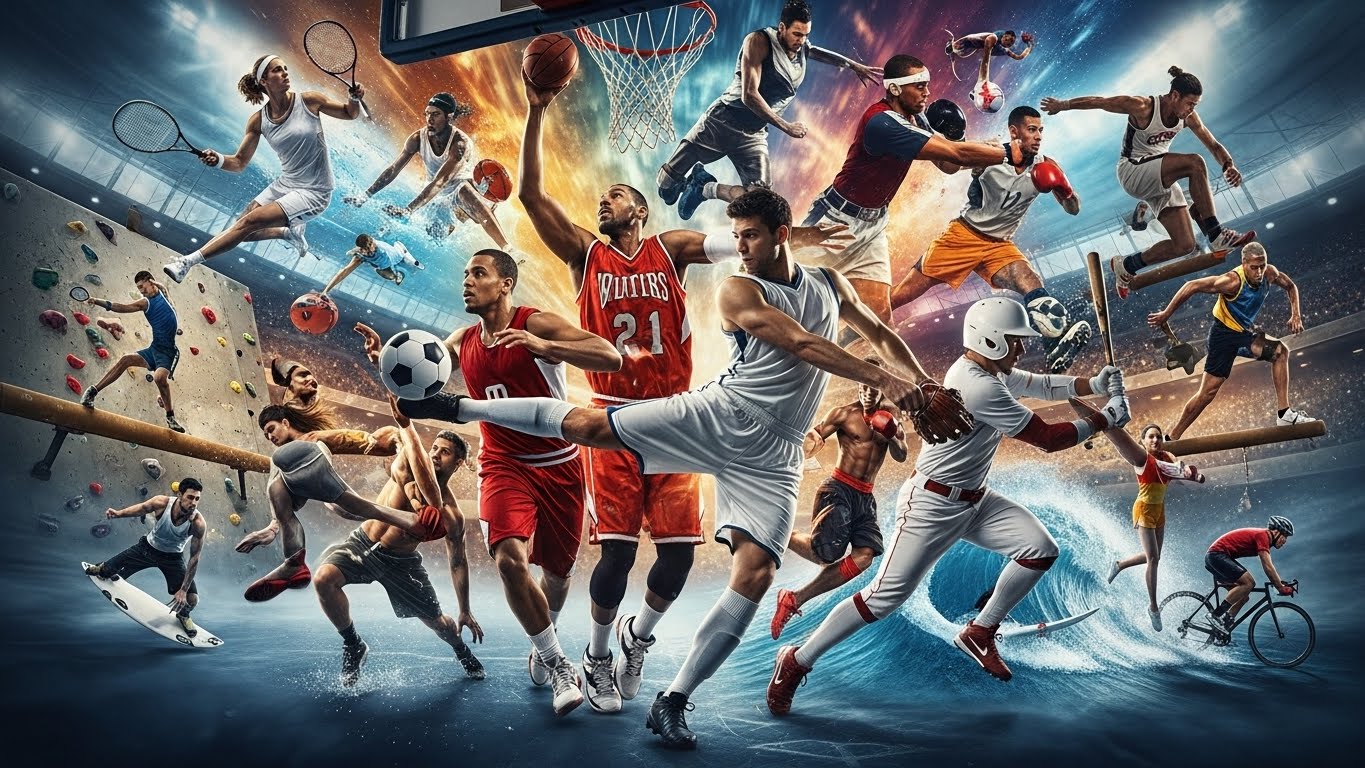
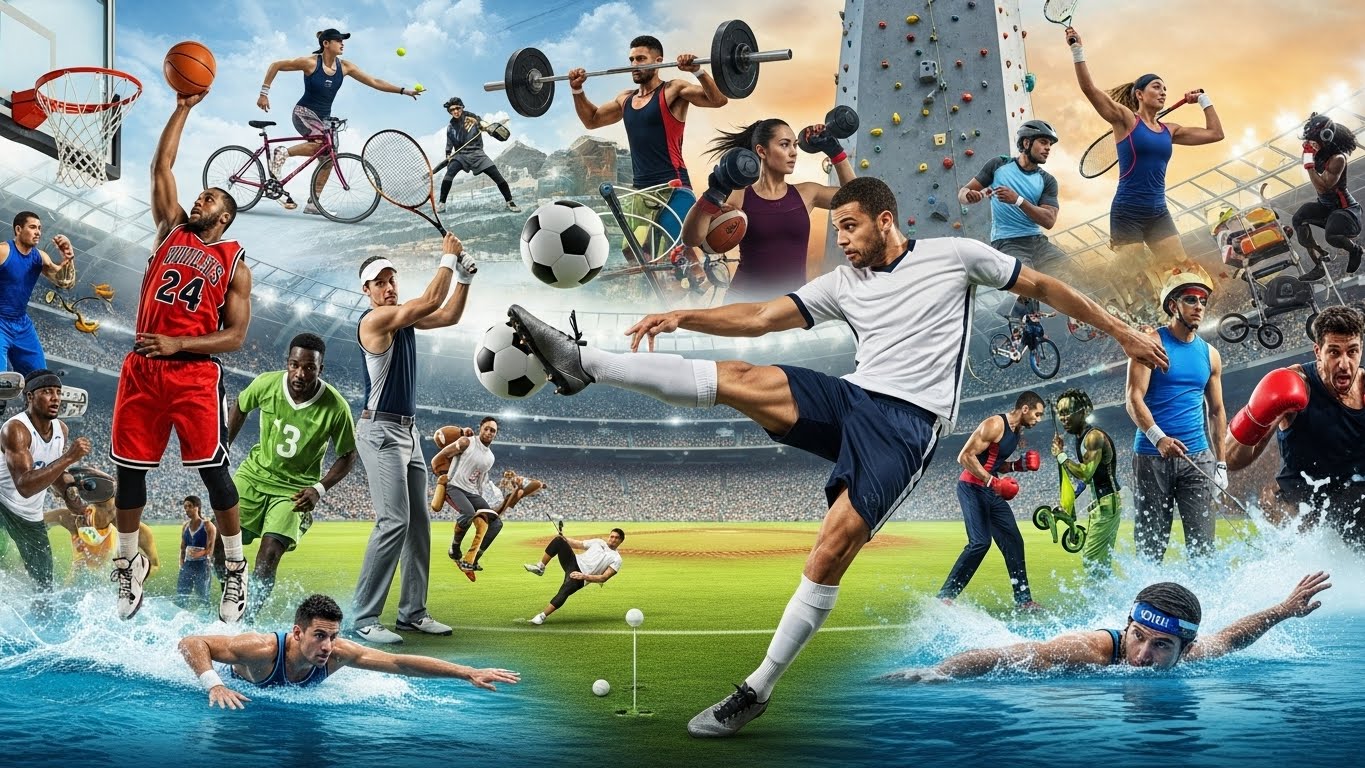
In every corner of the globe, sports have an undeniable power to bring people together, transcend borders, and unite diverse communities. Whether it’s a football match on a rainy day in Brazil, a cricket game in the streets of India, or a basketball showdown in the heart of New York, sports have a unique ability to captivate, inspire, and provide an avenue for self-expression and cultural exchange.
But beyond their entertainment value, sports serve as a reflection of society’s values, shaping identity, influencing social change, and building connections between people. The emotional highs and lows of a sporting event can remind us of the deeper lessons of perseverance, teamwork, and discipline. Let’s dive into the multi-faceted world of sports, exploring its evolution, significance, and the role it continues to play in shaping modern society.
The Evolution of Sports: From Ancient Games to Modern Spectacles
The origins of sports date back thousands of years to ancient civilizations where athletic competitions were held to honor gods, celebrate victories, and display physical prowess. The ancient Greeks, for instance, held the Olympic Games—one of the most famous early examples of organized sporting events—around 776 BCE. These games were a way for city-states to demonstrate their strength and cultural superiority, and the athletes who competed were celebrated as heroes.
Over time, sports began to evolve from ceremonial events into competitive activities that were embraced by all segments of society. The Roman Empire, for example, was famous for its gladiatorial combat, chariot races, and other large-scale sporting events, often held in massive arenas like the Colosseum.
Fast forward to the 19th and 20th centuries, and we see the rise of modern sports as we know them today. International competitions like the FIFA World Cup, the Summer and Winter Olympics, and the Super Bowl have become some of the largest, most-watched events in the world, pulling millions of viewers together from across the globe to cheer on their teams or athletes.
Today, sports have transformed into a multi-billion-dollar industry, with professional leagues and tournaments in virtually every major sport. The scale of these events—both in terms of viewership and commercial value—illustrates just how ingrained sports have become in modern culture.
Sports as a Reflection of Society: Values, Identity, and Change
Sports are more than just games—they serve as a reflection of the values and issues that define different societies. For instance, sports have often been at the forefront of social movements and have provided athletes with a platform to voice political and social concerns.
One of the most notable examples is the role of sports in the civil rights movement. In the United States, athletes like Jackie Robinson, Muhammad Ali, and Jim Brown became symbols of resistance and change during the 20th century. Jackie Robinson, for example, broke the color barrier in Major League Baseball in 1947, challenging racial segregation and opening doors for African American athletes in professional sports. Similarly, Muhammad Ali used his platform as a boxer to speak out against racial inequality and the Vietnam War, solidifying his place not just as a sports icon but as a cultural figure of change.
Sports have also been used to challenge gender norms and promote gender equality. The rise of women’s sports, from Serena Williams’ dominance in tennis to the global popularity of women’s soccer, has been an ongoing struggle for equal recognition, pay, and opportunities. Female athletes continue to inspire future generations, proving that sports are not just a male-dominated domain.
In addition to being a tool for social change, sports also play an essential role in fostering national identity and pride. International competitions like the Olympics or the World Cup provide an opportunity for countries to showcase their athletic prowess on the world stage, creating a sense of unity and patriotism among citizens. When an athlete wins a gold medal or when a national team triumphs in a global competition, it ignites a sense of shared achievement and collective pride that transcends individual identities.
The Psychological Benefits of Sports: Beyond the Physical
While the physical benefits of sports are well-known—improved fitness, endurance, strength, and coordination—the psychological benefits are equally profound. Participating in sports can have a transformative impact on mental well-being, helping individuals cope with stress, build confidence, and develop a positive sense of self.
One of the most significant mental health benefits of sports is its ability to reduce stress and anxiety. Engaging in physical activity triggers the release of endorphins, which are chemicals in the brain that help reduce stress and create feelings of euphoria and relaxation. Whether it’s the rhythmic motion of running, the focus required in yoga, or the intensity of a competitive game, sports provide an outlet for pent-up emotions, allowing individuals to clear their minds and regain focus.
Moreover, sports teach resilience, perseverance, and how to cope with failure. Every athlete, whether professional or amateur, faces setbacks. Injuries, losses, or underperformance are part of the journey. The ability to bounce back from these challenges, work hard, and stay focused on long-term goals is one of the greatest life lessons that sports provide. It teaches players that success is not just about winning but also about how you handle defeat and keep moving forward.
In addition, team sports, in particular, foster a sense of belonging and community. When individuals come together to work towards a common goal, it creates strong social bonds and encourages cooperation. This sense of camaraderie and teamwork is one of the most enjoyable and rewarding aspects of being involved in sports.
The Global Appeal of Sports: A Universal Language
One of the most remarkable aspects of sports is their universal appeal. No matter where you are in the world, sports have the ability to unite people across cultures, languages, and backgrounds. In many ways, sports serve as a universal language, transcending all other forms of communication.
Take football (soccer) as an example. The FIFA World Cup is one of the most-watched events globally, attracting viewers from every continent. The passion that people have for the game is universal; whether it’s a local match on a dusty field in Africa or a sold-out stadium in Europe, the love for the game is shared by millions. The same can be said for other sports like cricket, basketball, and even esports, which are rapidly growing in popularity worldwide.
The beauty of sports lies in their ability to create connections. It doesn’t matter if a person is from Brazil, Japan, or the United States—if you love sports, you have an instant connection with others who share that passion. Sports provide a common ground for people to bond over, making them a powerful tool for diplomacy, global cooperation, and friendship.
The Role of Technology in Shaping the Future of Sports
As technology continues to evolve, it’s significantly changing the way we experience sports. Advances in digital media, wearable technology, and data analytics are reshaping everything from training to fan engagement.
Wearable technology, such as smartwatches and fitness trackers, has revolutionized the way athletes train and recover. These devices monitor vital statistics like heart rate, speed, distance, and sleep patterns, providing athletes and coaches with valuable data to optimize performance. This data-driven approach allows athletes to fine-tune their training regimens and prevent injuries, enhancing the overall quality of sports.
Furthermore, digital media has created new ways for fans to engage with their favorite sports, teams, and athletes. Social media platforms allow for real-time interaction, while streaming services provide live access to games and events across the globe. Virtual and augmented reality are also beginning to play a role, with innovations like VR sports experiences allowing fans to “attend” games from the comfort of their homes, offering a truly immersive experience.
Esports, the competitive world of video gaming, is another example of how technology is reshaping the sports landscape. With millions of viewers and players around the world, esports has become a legitimate form of competition, drawing huge sponsorships, prize money, and recognition as a sport in its own right.
The Future of Sports: Inclusivity, Innovation, and Globalization
The future of sports promises to be even more inclusive, innovative, and globalized. As society becomes increasingly diverse, sports are becoming more inclusive, with efforts to create opportunities for people of all abilities, genders, and backgrounds to participate. The rise of adaptive sports and Paralympic competitions is a testament to this shift, proving that sports are for everyone, regardless of physical ability.
Innovation will also continue to play a significant role in the future of sports. From advancements in equipment and training methods to cutting-edge broadcasting technologies, the sports industry is primed for continued transformation. The integration of artificial intelligence and virtual reality into training, fan experiences, and game analysis is likely to open up exciting new possibilities.
Globalization will ensure that sports continue to bridge cultural divides, allowing people from different corners of the world to compete, spectate, and celebrate together. As more countries embrace various sports, the cross-cultural exchange that takes place will enrich the global sporting landscape, creating even more opportunities for shared experiences.
Conclusion: The Timeless Power of Sports
Sports are much more than just games—they are powerful forces that shape our cultures, communities, and personal lives. From their humble beginnings as ancient rituals to their present-day status as global phenomena, sports have consistently proven their ability to unite people, teach valuable life lessons, and inspire millions.
As we look toward the future, sports will continue to evolve, embracing technology, diversity, and innovation while remaining a fundamental part of the human experience. Whether as a participant or a fan, sports provide a platform for growth, connection, and celebration, making them an integral part of our shared global culture.