
Introduction: The Universal Language of Sports
Sports are more than just a way to stay active or entertain crowds; they are a universal language that transcends borders, cultures, and generations. From the roar of a stadium full of fans to the quiet dedication of an athlete training alone, sports inspire passion, discipline, and community. They reflect human resilience, creativity, and the desire to excel, making them an essential part of society. Whether played professionally or recreationally, sports influence physical health, social interaction, and even personal identity.
The History of Sports: From Ancient Times to Modern Arenas
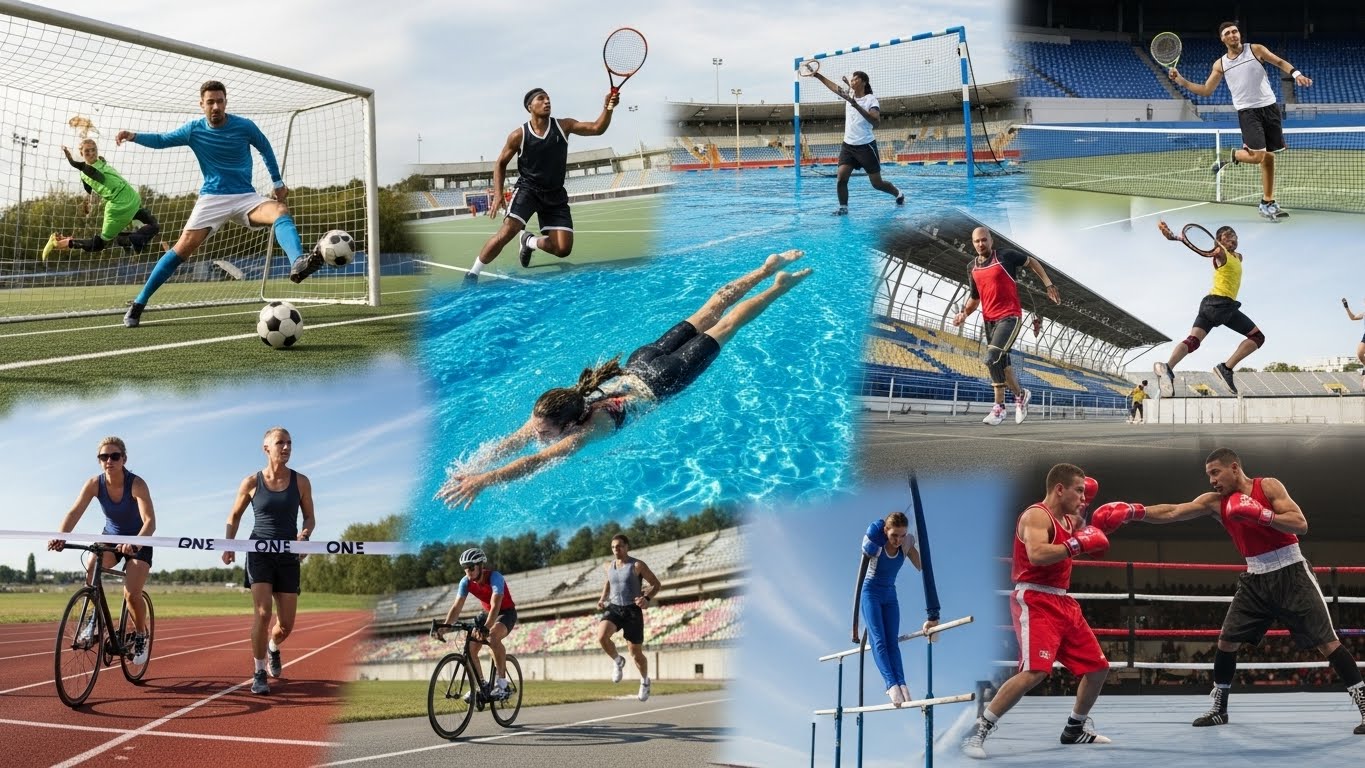
Sports have existed in various forms throughout history. Ancient civilizations like Greece and Egypt celebrated athletic competitions as both entertainment and religious rituals. The Olympic Games, first held in 776 BC in Greece, exemplify how sports can unite communities and foster friendly competition. Over centuries, sports evolved into organized activities with structured rules, leagues, and international tournaments. Today, sports such as football, cricket, basketball, and athletics attract millions of participants and spectators worldwide, blending tradition with modern innovation.
Physical Benefits of Sports
The most immediate benefit of sports is physical health. Regular participation improves cardiovascular fitness, strengthens muscles, enhances flexibility, and aids in weight management. Sports also boost immune system function, reduce the risk of chronic diseases, and promote longevity. Beyond the physical, engaging in sports can improve motor skills, coordination, and reflexes. For children and adolescents, it encourages healthy growth and instills habits that contribute to long-term well-being.
Mental and Emotional Advantages of Sports
Sports are not only beneficial for the body but also for the mind. Participation in physical activities has been shown to reduce stress, anxiety, and depression. Exercise releases endorphins, often referred to as “feel-good” hormones, which enhance mood and mental clarity. Sports also teach resilience, patience, and the ability to cope with both victory and defeat. Athletes learn to set goals, stay motivated, and develop a growth mindset, skills that are transferable to personal and professional life.
Team Sports and the Power of Collaboration
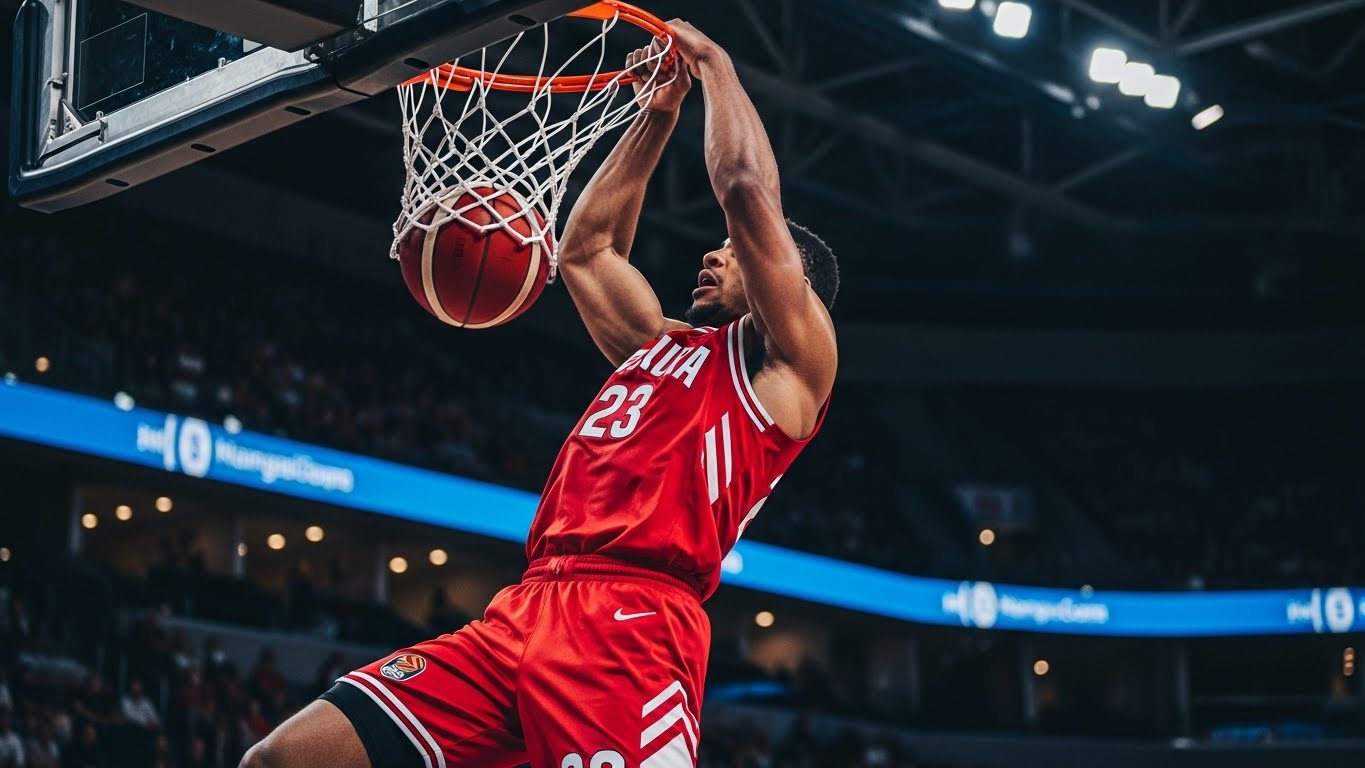
Team sports, such as football, basketball, and volleyball, emphasize collaboration and communication. Players must work together, understanding each other’s strengths and weaknesses to achieve a common objective. Team sports teach essential life skills like leadership, empathy, and conflict resolution. They create a sense of belonging and foster social bonds that extend beyond the field. The shared experience of triumphs and setbacks strengthens community ties and builds lasting friendships.
Individual Sports and Personal Discipline
While team sports highlight collaboration, individual sports such as tennis, swimming, or athletics focus on personal discipline and self-motivation. Athletes in individual sports learn to rely on their own abilities, manage their schedules, and take responsibility for their performance. These sports instill confidence, perseverance, and independence, proving that self-improvement is both a goal and a reward. The challenges faced in individual sports teach valuable lessons about dedication, focus, and overcoming adversity.
The Role of Sports in Education
Sports play a crucial role in education by promoting holistic development. Schools and universities incorporate physical education programs to teach students the importance of health, teamwork, and fair play. Participation in school sports often correlates with improved academic performance, as the discipline and time management required in athletics translate into better study habits. Moreover, inter-school and inter-college competitions provide opportunities for students to showcase talent, gain recognition, and develop leadership skills.
Sports and Society: Building Community and Culture
Sports have a profound impact on society. Major events such as the Olympics, World Cup, or Super Bowl unite millions of people, transcending language, nationality, and social background. Sports also act as a platform for social change, promoting gender equality, inclusion, and awareness of important issues. Communities benefit from sports facilities, programs, and events that encourage active lifestyles and bring people together. The culture surrounding sports, including fan traditions, rituals, and celebrations, enriches societal identity and collective memory.
Economic Impact of Sports
Sports contribute significantly to the global economy. Professional leagues, tournaments, and events generate revenue through ticket sales, broadcasting rights, sponsorships, and merchandise. Local economies benefit from tourism related to sporting events, creating jobs and stimulating businesses. The sports industry also supports careers in coaching, physiotherapy, sports journalism, and event management. The economic influence of sports extends beyond entertainment, serving as a driver of innovation, investment, and employment.
Technological Advancements in Sports
Technology has transformed the way sports are played, analyzed, and enjoyed. Video analysis helps athletes refine techniques and strategies, while wearable devices monitor performance and health. Instant replay systems ensure fair play and accurate decision-making, enhancing the integrity of competitions. Advances in broadcasting technology have made sports accessible to a global audience, allowing fans to engage with live events and follow their favorite teams in real time. Technology continues to shape the future of sports, enhancing both participation and spectator experiences.
Challenges in Sports: Fairness, Ethics, and Pressure
Despite their many benefits, sports face challenges that require attention. Issues such as doping, corruption, and match-fixing threaten the integrity of competitions. Athletes often face immense pressure to perform, leading to burnout and mental health struggles. Gender disparities and unequal access to sports facilities also limit opportunities for many individuals. Addressing these challenges requires regulation, education, and a commitment to ethical practices, ensuring that sports remain a positive force in society.
Sports and Personal Growth
Participation in sports cultivates essential life skills. Athletes learn resilience, goal-setting, discipline, and the ability to handle setbacks gracefully. Sports teach respect for rules, opponents, and oneself, reinforcing moral values. Whether winning a championship or overcoming personal challenges, the lessons learned through sports extend beyond the field, shaping character and preparing individuals for life’s various challenges.
The Future of Sports
The future of sports promises exciting developments. Innovations in technology, training, and analytics will continue to elevate performance and enhance fan engagement. Greater inclusivity, diversity, and global outreach will ensure that sports remain accessible to all. Esports, virtual reality competitions, and hybrid events are expanding the definition of what sports can be, merging physical and digital experiences. As sports evolve, they will continue to inspire, connect, and challenge people around the world.
Conclusion: Sports as a Reflection of Humanity
Sports are more than games; they are a reflection of human ambition, creativity, and resilience. They connect individuals, communities, and nations while promoting health, education, and personal growth. From the casual weekend player to the professional athlete, the impact of sports reaches far beyond the field, influencing society in countless ways. By embracing sports, we celebrate not only physical skill but also the values, lessons, and unity that make us human.