Introduction: More Than Just a Game
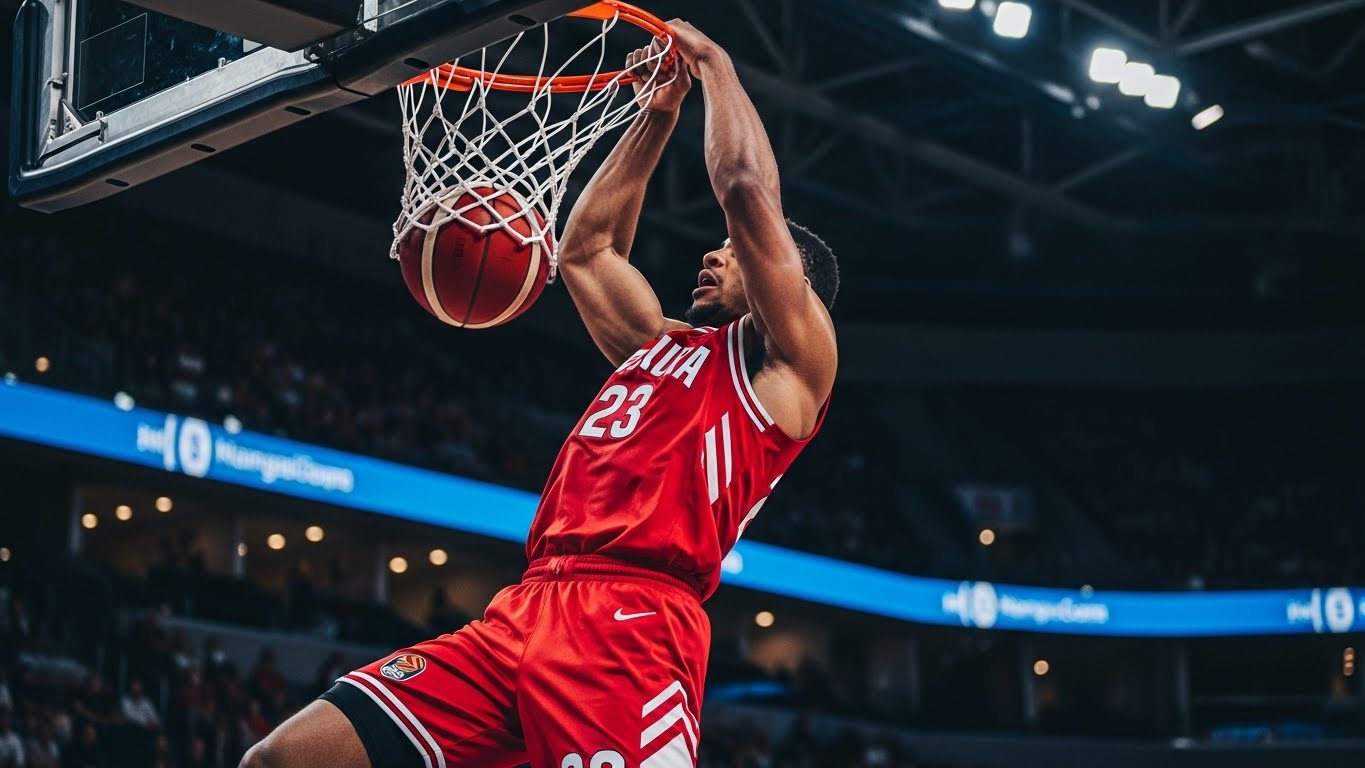
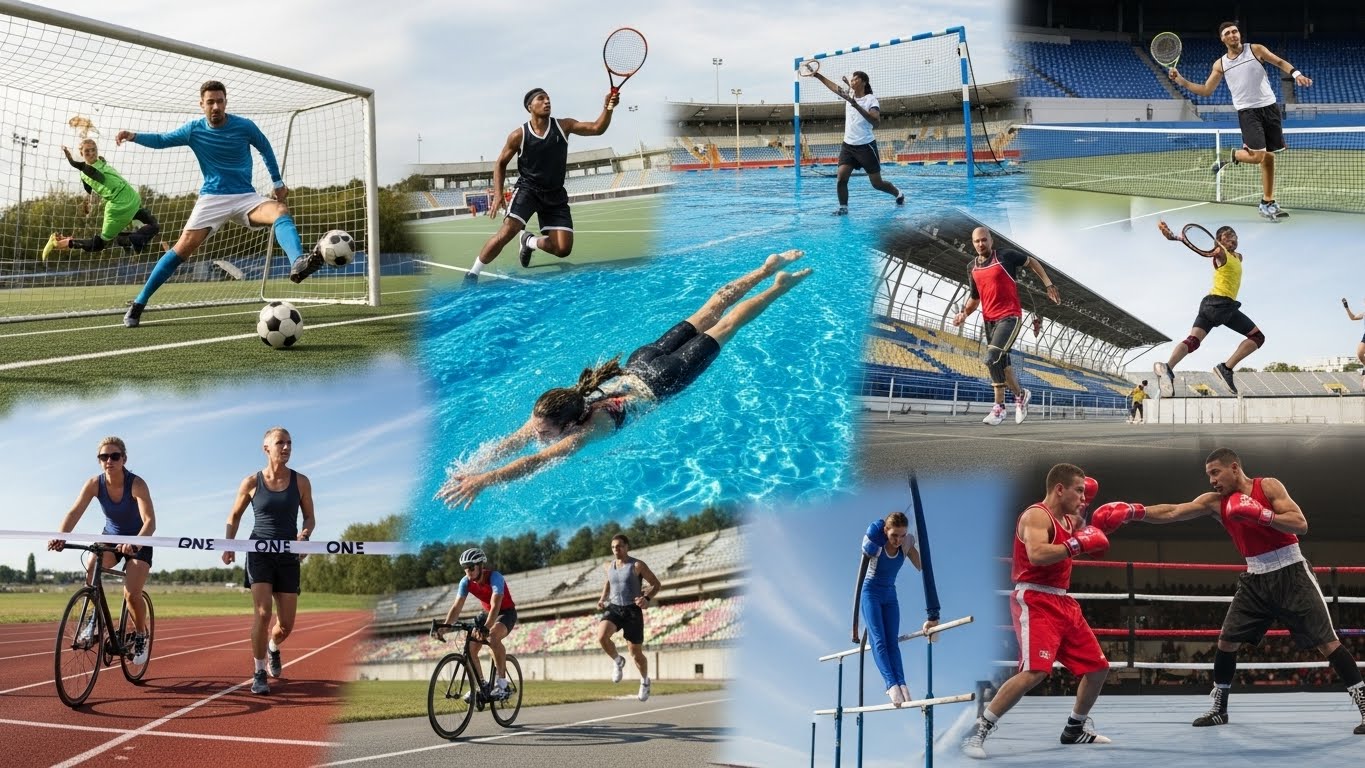
Sports have always been a powerful part of human civilization. From ancient athletic contests carved into stone walls to modern stadiums filled with roaring fans, sports represent far more than physical competition. They are stories of struggle and triumph, discipline and passion, unity and identity. While scores and trophies often dominate headlines, the deeper influence of sports lies in how they shape individuals, communities, and even entire cultures. Sports teach lessons that extend far beyond the field, making them an essential element of personal growth and social connection.
The Historical Roots of Sports in Human Society
The origin of sports can be traced back thousands of years. Early civilizations used physical contests as a way to prepare warriors, celebrate religious rituals, and entertain communities. Ancient Greece elevated sports to an art form through the Olympic Games, where athletic excellence was tied to honor, discipline, and national pride. Similarly, traditional sports in Asia, Africa, and the Americas reflected local values and lifestyles. These early games laid the foundation for modern sports, proving that competition and physical expression have always been deeply woven into human history.
Sports as a School of Discipline and Character
One of the most powerful impacts of sports is the way they build discipline. Athletes must commit to training routines, follow rules, and respect authority figures such as coaches and referees. This discipline often translates into everyday life, helping individuals develop time management skills, focus, and perseverance. Sports also teach the value of hard work. Success rarely comes overnight, and athletes learn that consistent effort is the key to improvement. Even failure plays a vital role, teaching resilience and the ability to rise after setbacks.
The Role of Sports in Physical and Mental Well-Being
Physical fitness is one of the most obvious benefits of sports participation. Regular involvement improves strength, endurance, flexibility, and overall health. However, the mental benefits are equally significant. Sports help reduce stress, anxiety, and depression by providing an outlet for energy and emotion. The sense of achievement after a good performance boosts self-confidence and motivation. Team sports, in particular, foster a sense of belonging, which is essential for mental well-being in an increasingly isolated world.
Teamwork and Leadership Through Sports
Sports offer a unique environment for learning teamwork and leadership. In team-based games, success depends on cooperation, communication, and mutual trust. Players learn to support one another, understand different roles, and work toward a shared goal. Leadership naturally emerges as some individuals take responsibility, inspire teammates, and make crucial decisions under pressure. These experiences prepare people for leadership roles in professional and personal settings, making sports a valuable training ground for future leaders.
Sports as a Cultural and Social Connector
Sports have an extraordinary ability to unite people across social, economic, and cultural boundaries. A single match can bring together millions of fans who share the same emotions, regardless of their background. National teams often become symbols of identity and pride, especially during international competitions. At the local level, community sports events strengthen social bonds and create a sense of belonging. In this way, sports act as a universal language, capable of bridging divides and fostering mutual understanding.
The Influence of Sports on Youth Development
For young people, sports play a crucial role in development. Participation encourages healthy habits at an early age, reducing the risk of lifestyle-related health issues later in life. Sports also provide a structured environment where children learn respect, fairness, and responsibility. Coaches often serve as mentors, guiding young athletes not only in skill development but also in personal growth. Through sports, youth gain confidence, learn to handle pressure, and develop a positive attitude toward challenges.
Professional Sports and the Power of Inspiration
Professional athletes often become role models, influencing millions of fans worldwide. Their dedication, achievements, and personal stories inspire others to pursue their dreams, whether in sports or other fields. While fame and success bring responsibility, many athletes use their platform to promote positive causes and social change. Their journeys remind people that talent alone is not enough, and that perseverance, discipline, and integrity are essential for long-term success.
Challenges and Ethical Issues in Modern Sports
Despite their many benefits, sports also face challenges. Issues such as excessive commercialization, performance-enhancing substances, and unfair practices threaten the spirit of fair competition. The pressure to win at all costs can sometimes overshadow values like sportsmanship and respect. Addressing these challenges requires strong governance, ethical leadership, and education at all levels. Preserving the true essence of sports depends on maintaining fairness, integrity, and respect for both athletes and fans.
The Evolution of Sports in the Digital Age
Technology has transformed the way sports are played, watched, and analyzed. Advanced training methods, data analysis, and improved equipment have enhanced athletic performance. Digital platforms allow fans to engage with sports in real time, creating global communities around teams and athletes. While technology has expanded access and entertainment, it also raises questions about balance and authenticity. Ensuring that technology supports rather than replaces the human element of sports is an ongoing challenge.
Sports as a Tool for Social Change
Sports have increasingly become a platform for addressing social issues. Athletes and organizations use their influence to raise awareness about equality, education, and community development. Sporting events often support charitable causes and promote messages of inclusion and respect. Through these efforts, sports demonstrate their potential to drive positive change and inspire collective action. When used responsibly, sports can be a powerful force for building a more just and compassionate society.
Conclusion: The Lasting Impact of Sports on Life
Sports are far more than contests measured by points or medals. They are experiences that shape character, strengthen communities, and inspire generations. From teaching discipline and teamwork to promoting health and unity, sports leave a lasting imprint on individuals and society as a whole. In a world that often feels divided and fast-paced, sports remind us of shared values such as effort, fairness, and respect. Beyond the scoreboard, the true victory of sports lies in their ability to bring out the best in the human spirit.