
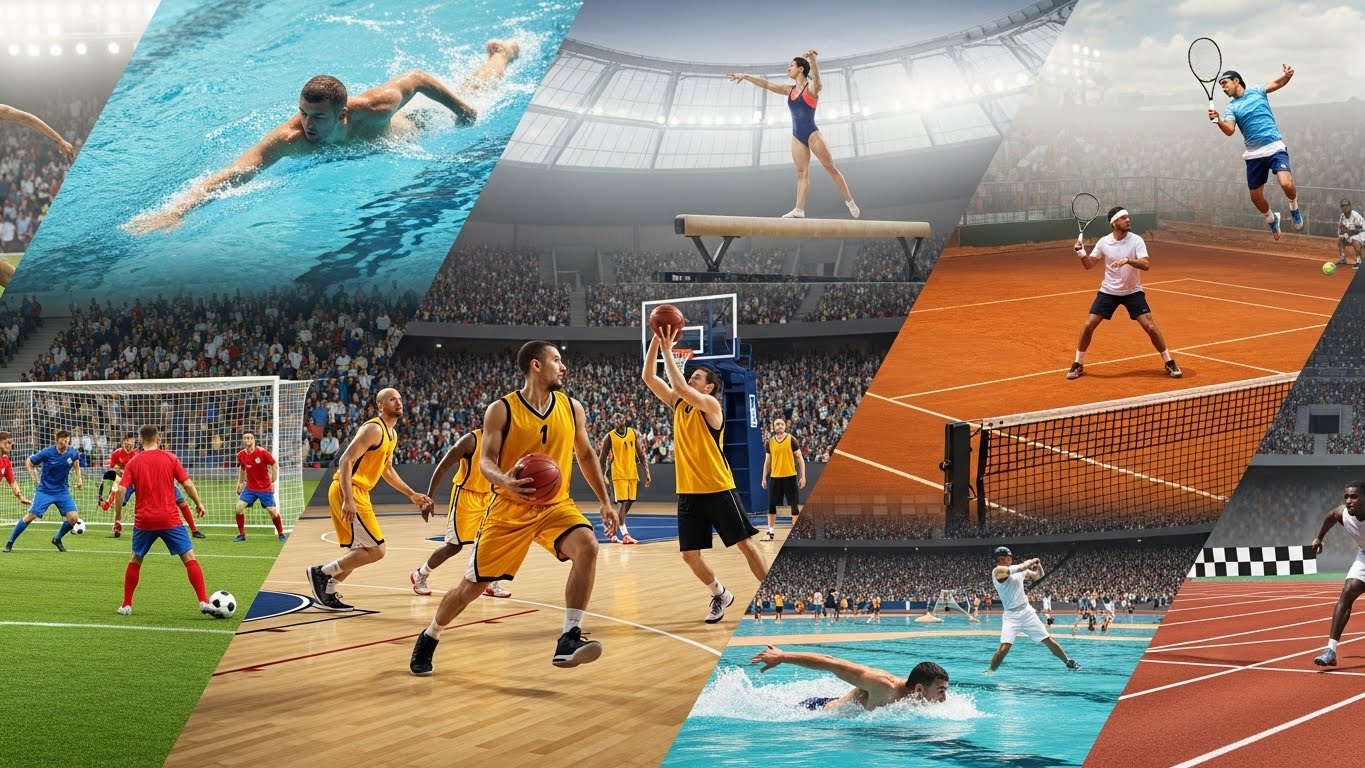
Sports have always been a cornerstone of human civilization, offering far more than entertainment. From ancient times to the modern era, sports have influenced culture, society, and personal development. They bring people together, promote physical and mental health, teach essential life skills, and even drive economic growth. This article explores the multifaceted impact of sports, highlighting their significance in personal, social, and global contexts.
The Historical Significance of Sports
The history of sports is deeply intertwined with the development of human society. Ancient civilizations engaged in physical contests for entertainment, religious rituals, military training, and community bonding. The Greeks, for example, celebrated the Olympic Games every four years to honor their gods, showcasing events such as running, wrestling, and chariot racing. Similarly, ancient China emphasized archery and martial arts as both a practical skill and a cultural practice.
Over time, sports evolved into organized competitions with formal rules, clubs, and leagues. In the 19th century, sports like football, cricket, and tennis began to standardize, laying the foundation for modern athletic competitions. The creation of international tournaments, such as the modern Olympic Games in 1896, demonstrated that sports could transcend cultural and geographic boundaries, fostering global unity and collaboration.
Sports as a Catalyst for Personal Growth
Participation in sports provides more than physical benefits; it fosters personal development and character building. Engaging in athletic activities helps individuals develop discipline, resilience, and teamwork skills. For instance, team sports like basketball and soccer teach players how to communicate effectively, collaborate under pressure, and support one another to achieve shared goals. These lessons often carry over into academic, professional, and personal contexts.
Physical fitness is another key advantage. Regular participation in sports strengthens the cardiovascular system, improves muscle tone, and enhances overall stamina. Beyond the physical, sports promote mental health by reducing stress and anxiety, boosting self-esteem, and encouraging a sense of accomplishment. Athletes often describe the satisfaction of mastering a skill or achieving a goal as a powerful motivator that translates into other areas of life.
The Role of Sports in Education
Sports play an essential role in educational development. Schools and universities worldwide integrate sports into their curricula, understanding that physical activity complements academic learning. Participation in sports teaches time management, goal-setting, and perseverance. Student-athletes learn to balance training schedules with academic responsibilities, building discipline and organizational skills.
Moreover, sports create inclusive social environments in educational institutions. Students from diverse backgrounds collaborate, forming friendships and networks that transcend social, cultural, and economic differences. Many professional athletes began their journeys through school or college sports programs, illustrating how early engagement in athletics can pave the way for successful careers.
Sports and Social Cohesion
Sports have a unique ability to unite communities and cultures. Major events like the FIFA World Cup, the Olympics, or national leagues create shared experiences that foster social cohesion. Fans gather to cheer for their favorite teams or athletes, forming a sense of belonging and collective identity. The communal excitement of sports transcends language and cultural barriers, proving that athletic competition can be a universal connector.
In addition, sports often serve as platforms for social change. Athletes and organizations use their visibility to advocate for important causes, from gender equality to racial justice and environmental awareness. Historic moments in sports have amplified voices for social reform, demonstrating that the influence of sports extends beyond the playing field.
Women in Sports: Breaking Barriers
For much of history, women faced significant barriers to participation in sports. Societal norms, limited access, and lack of recognition prevented many from pursuing athletic careers. However, the past few decades have seen remarkable progress. Women now compete at the highest levels across all sports, breaking records, inspiring future generations, and challenging stereotypes.
Events such as the Women’s World Cup and female participation in the Olympics showcase the talent and dedication of women athletes. Their success has broader societal implications, encouraging young girls to pursue sports, building confidence, and promoting the idea that skill and determination are not defined by gender. Women’s achievements in sports continue to redefine cultural perceptions of athleticism and opportunity.
Economic Impact of Sports
Sports have significant economic implications, generating billions of dollars in revenue worldwide. Professional leagues, tournaments, sponsorship deals, merchandise, and broadcasting rights contribute to global economic activity. Major sporting events stimulate local economies, attracting tourists, media attention, and infrastructure investment.
Athletes themselves often become marketable brands, influencing consumer trends and lifestyle choices. While some critics argue that commercialization overshadows the essence of sports, economic growth ensures sustainability, provides employment opportunities, and fuels global interest. Sports, therefore, serve not only as a cultural phenomenon but also as a major economic engine.
Mental and Psychological Benefits
While physical fitness is often emphasized, the psychological benefits of sports are equally important. Participation in sports fosters resilience, focus, and emotional control. Athletes learn to manage pressure, cope with setbacks, and maintain concentration under challenging conditions. These mental skills often translate into professional and personal success.
Sports also encourage strategic thinking and problem-solving. Players must analyze opponents, anticipate moves, and make rapid decisions, which sharpens cognitive abilities. Additionally, engaging in sports can alleviate stress, enhance mood, and improve overall mental health. The psychological benefits of athletic activity are a critical component of holistic well-being.
Technology and Sports
Advancements in technology have revolutionized sports. From wearable devices that track performance to instant replay systems in major leagues, technology enhances both player development and spectator experience. Data analytics allows coaches to optimize strategies, prevent injuries, and improve training programs.
For fans, technology provides immersive experiences through high-definition broadcasts, virtual reality simulations, and interactive content. Technology has transformed sports from mere physical contests into integrated, data-driven experiences that captivate players and audiences alike.
Sports and Community Development
Sports also play a crucial role in community development. Local clubs, youth programs, and recreational leagues offer safe and structured environments for children and adults to engage in physical activity. These programs promote social inclusion, teach valuable life skills, and provide pathways for professional careers.
Community-based sports initiatives often address social issues, such as promoting health awareness, reducing crime, and fostering leadership among youth. By creating opportunities for engagement and mentorship, sports strengthen community bonds and contribute to societal well-being.
Challenges in Modern Sports
Despite the many benefits, sports face several challenges. Issues such as doping, corruption, commercialization, and unequal access threaten the integrity and inclusivity of athletics. Additionally, the rise of digital entertainment and sedentary lifestyles has created obstacles for youth participation in traditional sports.
Maintaining fairness, promoting ethical practices, and ensuring equal opportunities are essential for the sustainable growth of sports. Addressing these challenges requires collaboration among governing bodies, educators, communities, and athletes themselves.
The Future of Sports
The future of sports is dynamic and promising. Emerging trends such as eSports, virtual reality competitions, and wearable technology are reshaping how sports are played and experienced. Greater emphasis on inclusivity, sustainability, and health-conscious training will continue to define the industry.
Sports are likely to remain a global unifying force, evolving alongside society and technology. They will continue to inspire individuals, foster community, and drive cultural, economic, and personal growth. The essence of sports—the pursuit of excellence, teamwork, and resilience—remains timeless, ensuring their relevance for generations to come.
Conclusion
Sports are far more than games; they are a vital part of human society. They shape character, build communities, inspire social change, and stimulate economies. Participation in sports offers physical, mental, and emotional benefits while teaching valuable life skills that extend beyond the field.
From ancient Olympic Games to modern international tournaments, sports unite people across cultures and generations. They challenge individuals to push limits, foster teamwork, and celebrate achievement. In a world often divided by differences, sports serve as a powerful force for connection, empowerment, and shared human experience. Beyond the competition and the glory, sports remain a reflection of our collective spirit, determination, and drive to excel.