Introduction: The Universal Language of Sports
Sports have been an integral part of human civilization for centuries. From ancient Olympic games in Greece to local community tournaments, sports have served as a form of entertainment, physical challenge, and social connection. Today, sports have evolved into a global phenomenon, encompassing professional leagues, international competitions, grassroots participation, and recreational activities.
Sports are more than physical activity—they embody culture, teamwork, discipline, and perseverance. They unite people across borders, provide opportunities for personal growth, and even influence politics and economics. The impact of sports extends far beyond the playing field, shaping societies and inspiring generations.
The Historical Evolution of Sports
Sports have deep historical roots, with evidence of organized athletic activities dating back thousands of years. Ancient civilizations used sports to prepare warriors, celebrate religious festivals, and promote civic pride. The Olympic Games, which began in 776 BC, remain one of the most iconic symbols of global sports competition.
Over time, sports evolved into organized leagues and tournaments, standardized rules, and international governing bodies. The professionalization of sports allowed athletes to compete at the highest levels, while media coverage and technological advancements expanded the audience worldwide. Today, sports reflect a blend of tradition, innovation, and global connectivity.
The Physical and Mental Benefits of Sports
Engaging in sports provides numerous physical benefits. Regular activity improves cardiovascular health, strengthens muscles and bones, enhances flexibility, and boosts overall fitness. Beyond physical health, sports play a vital role in mental well-being. Participation in sports reduces stress, enhances focus, builds resilience, and fosters a sense of achievement.
Team sports, in particular, teach collaboration, communication, and problem-solving skills. Individuals learn to work toward shared goals, adapt to challenges, and develop leadership qualities. Even recreational sports contribute to discipline, time management, and self-confidence, making athletic activity an essential part of holistic health.
Popular Types of Sports
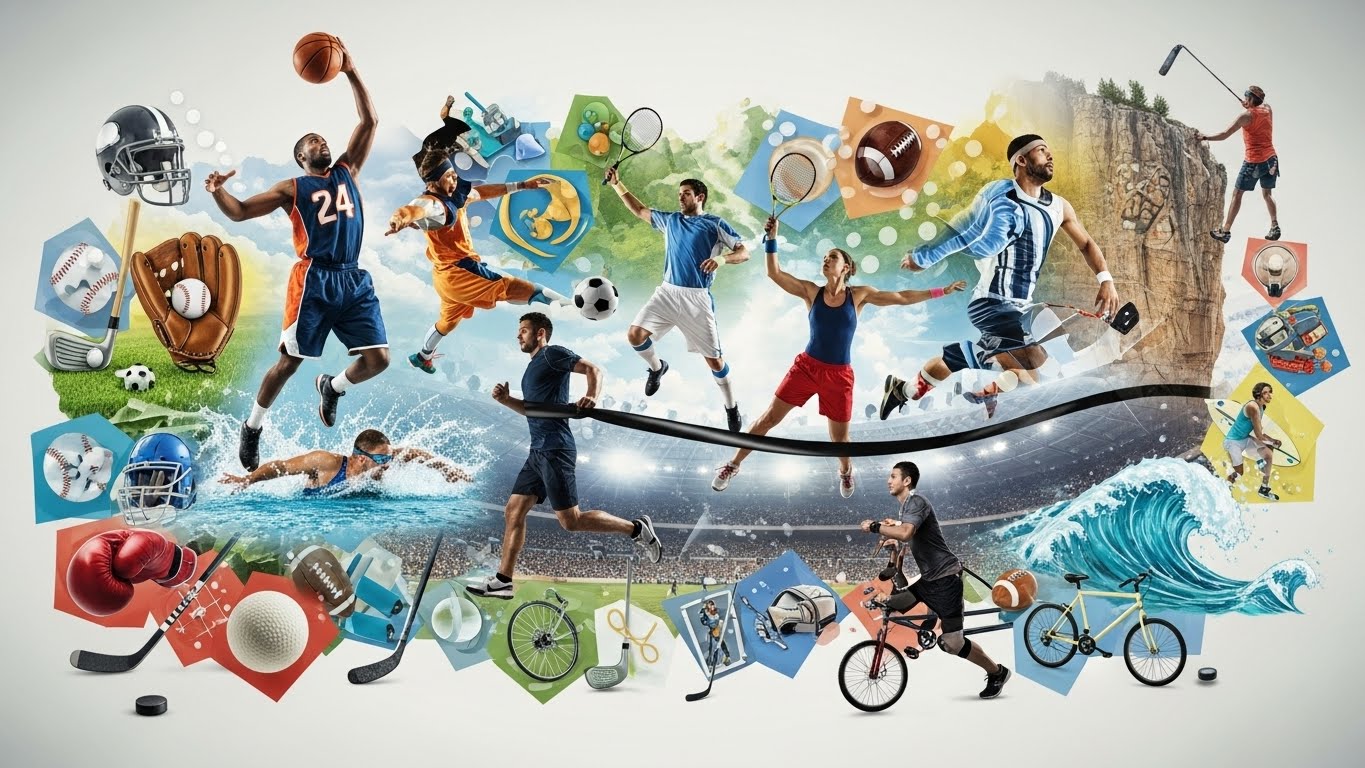
Sports can be broadly categorized into individual and team-based disciplines. Each offers unique challenges, skills, and experiences for participants.
- Team Sports: Football, basketball, cricket, and rugby exemplify teamwork, strategy, and collective effort. Success depends on coordination, communication, and shared determination.
- Individual Sports: Tennis, swimming, athletics, and gymnastics highlight personal skill, endurance, and mental focus. Athletes in individual sports often rely on self-discipline and continuous improvement.
- Extreme and Adventure Sports: Activities such as rock climbing, skateboarding, and surfing combine skill with risk-taking and adrenaline, attracting thrill-seekers and pushing physical boundaries.
- Mind Sports: Chess, darts, and e-sports focus on strategy, mental agility, and decision-making rather than physical exertion, showcasing the diverse nature of competitive activity.
The variety of sports ensures there is an option for everyone, regardless of age, ability, or preference.
Sports and Social Connection
Sports have a unique ability to bring people together. From local leagues to global events, sports create shared experiences that foster community, identity, and cultural pride. Fans connect over victories and defeats, forming bonds that transcend differences in language, nationality, or background.
Major international competitions, such as the FIFA World Cup or the Olympics, serve as platforms for cultural exchange, diplomacy, and global unity. Even at the grassroots level, sports promote social inclusion, teamwork, and a sense of belonging, making athletic participation a vital tool for building stronger communities.
The Economics of Sports
The sports industry has become a major economic force, generating revenue from ticket sales, sponsorships, broadcasting rights, merchandising, and sports tourism. Professional leagues and international tournaments attract massive audiences, creating lucrative opportunities for athletes, teams, and associated industries.
Sports also drive infrastructure development, including stadiums, training facilities, and community centers. The industry supports a wide range of careers, from coaching and athletic training to event management, marketing, and sports medicine. Its economic impact extends globally, influencing trade, investment, and technological innovation.
Sports and Education
Sports play a significant role in education, teaching life skills that extend beyond the classroom. Student-athletes develop discipline, time management, teamwork, and leadership. Participation in school or university sports enhances self-esteem, promotes physical fitness, and encourages healthy competition.
Educational institutions often use sports to cultivate talent and identify potential professional athletes. Scholarships, training programs, and mentorship opportunities allow young athletes to pursue both academic and athletic excellence, creating a balance between personal development and competitive ambition.
The Influence of Media on Sports
Media has revolutionized the way people experience sports. Television, radio, and digital platforms provide real-time coverage of games, highlight reels, and behind-the-scenes content. Social media allows fans to interact with athletes, comment on matches, and share experiences globally.
Media exposure has elevated athletes to celebrity status, increasing their influence in society. It has also enabled global sports culture, where fans follow teams, players, and events from across the world. Media not only amplifies the excitement of sports but also connects communities and drives engagement.
Technology and Sports Innovation
Technology has transformed sports in numerous ways. Wearable devices monitor performance, track health metrics, and enhance training. Video analysis, instant replay, and advanced statistics improve strategic decision-making for athletes and coaches.
Virtual reality and augmented reality are increasingly used for training simulations, fan engagement, and interactive experiences. E-sports and online competitions demonstrate how technology can create entirely new forms of athletic entertainment. The integration of technology ensures that sports remain dynamic, fair, and accessible in the modern era.
Gender and Diversity in Sports
Sports are increasingly embracing diversity and gender equality. Female athletes have achieved remarkable success in traditionally male-dominated sports, inspiring new generations. Governing bodies are working to ensure equal opportunities, representation, and visibility for all athletes.
Inclusion extends beyond gender, with adaptive sports for athletes with disabilities gaining prominence. Events like the Paralympics showcase the incredible capabilities of athletes with different abilities, promoting awareness, respect, and social inclusion. Sports serve as a platform for breaking barriers and promoting equality worldwide.
Mental Resilience and Sports Psychology
Success in sports is as much mental as it is physical. Sports psychology has become a critical aspect of athlete development, focusing on concentration, motivation, and coping with pressure. Techniques such as visualization, goal-setting, and mindfulness help athletes enhance performance and maintain mental well-being.
Team dynamics, leadership, and communication are also essential for success. Athletes learn to handle setbacks, manage stress, and adapt strategies under pressure, developing resilience that extends beyond the sporting arena into personal and professional life.
Global Competitions and Sporting Events
International sporting events bring together nations, athletes, and fans on a grand scale. The Olympic Games, FIFA World Cup, Cricket World Cup, and other tournaments celebrate excellence, sportsmanship, and cultural exchange.
These events generate excitement, national pride, and social cohesion. They also provide opportunities for tourism, media engagement, and global collaboration. Global competitions demonstrate the unifying power of sports and their ability to transcend cultural and political boundaries.
The Future of Sports
The future of sports promises further innovation and global impact. Emerging technologies, evolving media platforms, and growing interest in health and fitness will shape new formats and opportunities. E-sports, virtual competitions, and mixed-reality experiences are expanding the definition of athletic competition.
Sustainability and social responsibility are becoming central to sports organizations, ensuring that events, facilities, and practices align with environmental and ethical standards. As sports continue to evolve, they will maintain their role as a source of entertainment, personal development, and global connection.
Conclusion: The Enduring Impact of Sports
Sports are more than games—they are a reflection of human ambition, resilience, and creativity. They inspire, educate, and connect people across cultures, ages, and backgrounds. From grassroots initiatives to international championships, sports shape individuals, communities, and societies.
In the modern era, sports continue to evolve, driven by technology, media, and global participation. They remain a powerful force for unity, personal growth, and cultural exchange. Whether played professionally or recreationally, sports enrich lives, build character, and remind us of the shared human pursuit of excellence, teamwork, and joy.