
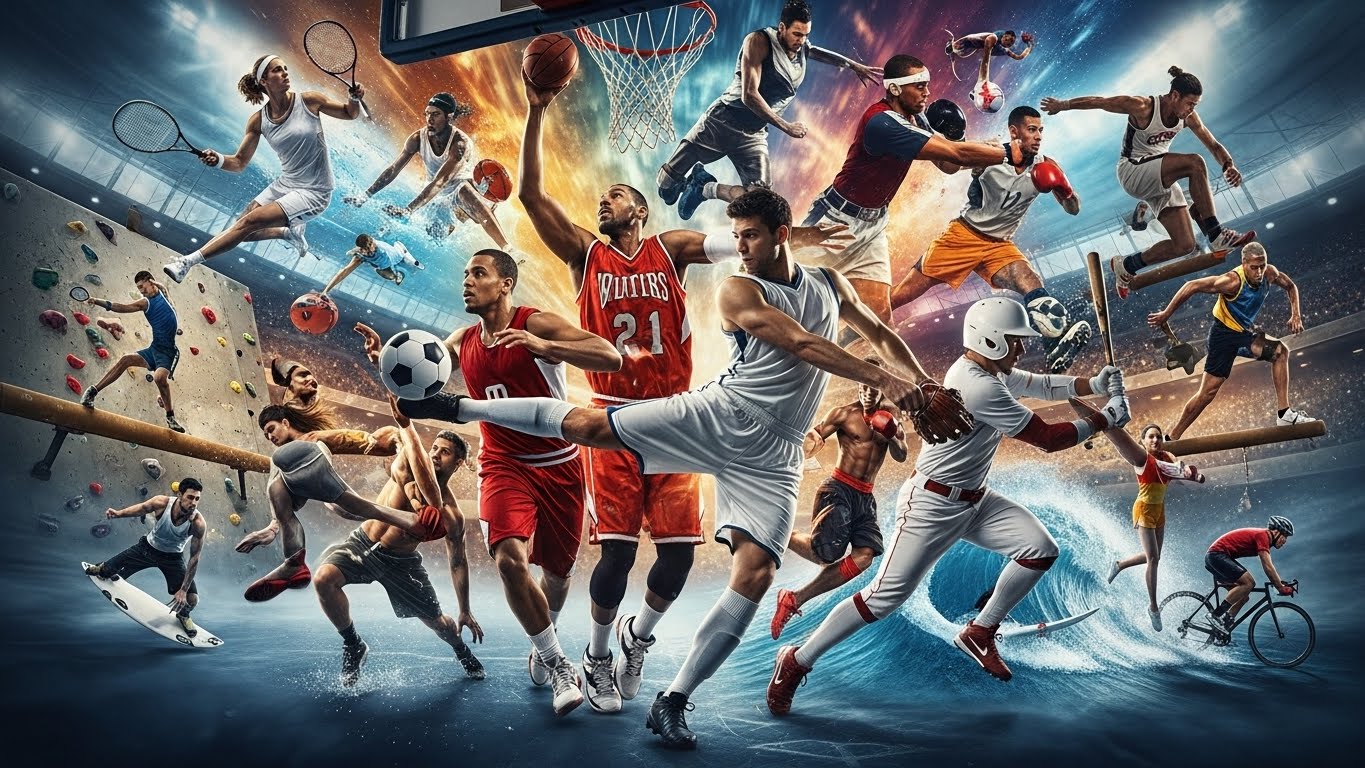
Introduction: More Than a Game
Sports have always been an integral part of human civilization. From ancient Olympic games in Greece to modern professional leagues, sports embody the spirit of competition, teamwork, and perseverance. They entertain millions, inspire generations, and teach values that extend far beyond the field. Beyond the spectacle of professional competitions, sports play a crucial role in promoting health, building community, and shaping culture. This blog explores the multifaceted world of sports, its history, evolution, and impact on society, while celebrating its ability to unite and inspire.
The Origins of Sports
The roots of sports trace back thousands of years. Ancient civilizations engaged in athletic contests to honor gods, celebrate harvests, or prepare warriors for battle. In Greece, the Olympics combined physical prowess with spiritual dedication, emphasizing discipline, honor, and excellence. Similar traditions existed in Egypt, China, and Mesoamerica, where sports were intertwined with culture, religion, and social hierarchy. These early games laid the foundation for organized sports, highlighting the human desire for challenge, skill, and communal celebration.
The Evolution of Modern Sports
With the passage of time, sports evolved into organized competitions with codified rules. Football, basketball, cricket, and tennis became structured games with leagues, tournaments, and international competitions. The Industrial Revolution contributed to the popularity of sports, providing more leisure time and access to public venues. Sports journalism and broadcasting further amplified enthusiasm, allowing fans to follow their favorite teams and athletes. Today, modern sports combine tradition, athleticism, and entertainment, offering both local and global engagement.
The Role of Sports in Physical Health
One of the most evident benefits of sports is physical fitness. Regular participation improves cardiovascular health, builds strength, enhances flexibility, and promotes overall well-being. Beyond physical advantages, sports teach discipline and resilience, motivating individuals to maintain consistent routines and healthy lifestyles. Organized sports, school teams, and community leagues encourage young people to stay active while fostering long-term habits that support lifelong health.
Mental Benefits of Sports
Sports contribute significantly to mental and emotional health. Engaging in physical activity reduces stress, anxiety, and depression. The focus, strategy, and problem-solving required in sports stimulate cognitive function, while the thrill of competition and achievement enhances self-esteem and confidence. Team sports teach collaboration, leadership, and communication, reinforcing social skills and emotional intelligence. In this way, sports nurture both mind and body, creating holistic growth and personal development.
Sports as a Social Connector
Sports have the unique power to bring people together. Stadiums, arenas, and local parks become spaces where communities gather, celebrate, and connect. Fans develop loyalty to teams, creating shared identities and experiences that transcend cultural, linguistic, and geographic boundaries. International events such as the World Cup or the Olympic Games unite nations, celebrating diversity and fostering global camaraderie. Sports foster social cohesion, teaching respect, fairness, and empathy.
Iconic Athletes and Their Influence
Throughout history, athletes have inspired millions by embodying determination, excellence, and integrity. Figures like Muhammad Ali, Serena Williams, Michael Jordan, and Lionel Messi have left lasting legacies not only through their achievements but also through their influence on society. Athletes often become role models, advocating for social change, education, and equality. Their stories highlight the potential of sports to transcend physical boundaries and inspire moral and social values.
The Thrill of Competition
At the heart of sports lies competition—the challenge of testing skill, strategy, and endurance against others. Competition drives innovation, pushes athletes to their limits, and creates memorable moments that captivate audiences. Whether it’s a last-minute goal, a record-breaking sprint, or a nail-biting tennis match, the thrill of competition engages fans emotionally and cognitively. It teaches resilience, perseverance, and how to handle both victory and defeat gracefully.
Youth Sports and Development
Youth sports play a crucial role in shaping the next generation. Participation in school teams, local leagues, and community programs instills discipline, teamwork, and leadership skills. Young athletes learn goal-setting, time management, and the value of hard work. Youth sports also provide a safe environment for growth, offering mentorship, positive role models, and social engagement. Beyond physical development, these programs nurture character, confidence, and a lifelong appreciation for active living.
Women in Sports
The participation of women in sports has transformed the industry and society at large. Trailblazing female athletes have challenged stereotypes, broken records, and opened doors for future generations. Events such as the Women’s World Cup and the rise of professional leagues highlight the increasing recognition and respect for women’s athletic achievements. Women in sports serve as powerful symbols of equality, empowerment, and determination, inspiring young girls worldwide to pursue their dreams without limitation.
Technology and Innovation in Sports
Modern sports are increasingly influenced by technology and innovation. Advanced training techniques, performance analytics, wearable devices, and video review systems enhance athlete preparation and game fairness. Broadcasting technology, virtual reality, and interactive fan experiences allow audiences to engage with sports in immersive ways. Technology has also improved accessibility, enabling adaptive sports for athletes with disabilities and creating opportunities for everyone to participate and enjoy the benefits of athletic activity.
The Economic Impact of Sports
Sports are a major economic driver, generating revenue through ticket sales, merchandise, broadcasting rights, sponsorships, and tourism. Professional leagues and international competitions create jobs and stimulate local economies. Major events such as the Olympics or World Cup boost infrastructure development, hospitality, and global visibility. Sports also fuel industries such as apparel, nutrition, fitness, and media, demonstrating their significant role in economic growth and societal development.
Sports as a Catalyst for Social Change
Sports have long served as a platform for advocacy and social change. Athletes and organizations use their influence to raise awareness about inequality, health, education, and environmental issues. Initiatives promoting inclusivity, diversity, and access to sports empower marginalized communities and foster social cohesion. By combining visibility, inspiration, and action, sports transcend recreation and become a powerful agent for positive societal transformation.
The Future of Sports
The future of sports promises increased global reach, technological integration, and innovative formats. Virtual competitions, esports, and interactive fan experiences are expanding the definition of sports. Sustainability initiatives are influencing how events are organized, while health and wellness continue to drive participation. As sports evolve, their core values—discipline, teamwork, perseverance, and community—remain central, ensuring that the essence of competition and human connection endures.
Conclusion: The Lasting Legacy of Sports
Sports are more than games—they are a reflection of human ambition, creativity, and collaboration. They promote health, nurture character, and strengthen communities. Sports inspire individuals, unite cultures, and create moments that endure in memory and history. Whether at a local park, a professional arena, or on the global stage, sports remind us of our shared humanity, our capacity for excellence, and the joy of pushing limits. The power of sports lies not only in the victories achieved but in the lessons learned, connections formed, and inspiration sparked.
In every match played, every goal scored, and every record broken, sports continue to shape lives, influence culture, and leave a lasting impact on society. They embody the essence of competition, the spirit of unity, and the pursuit of greatness—a timeless testament to human potential and the power of play.