Introduction: More Than Just a Game
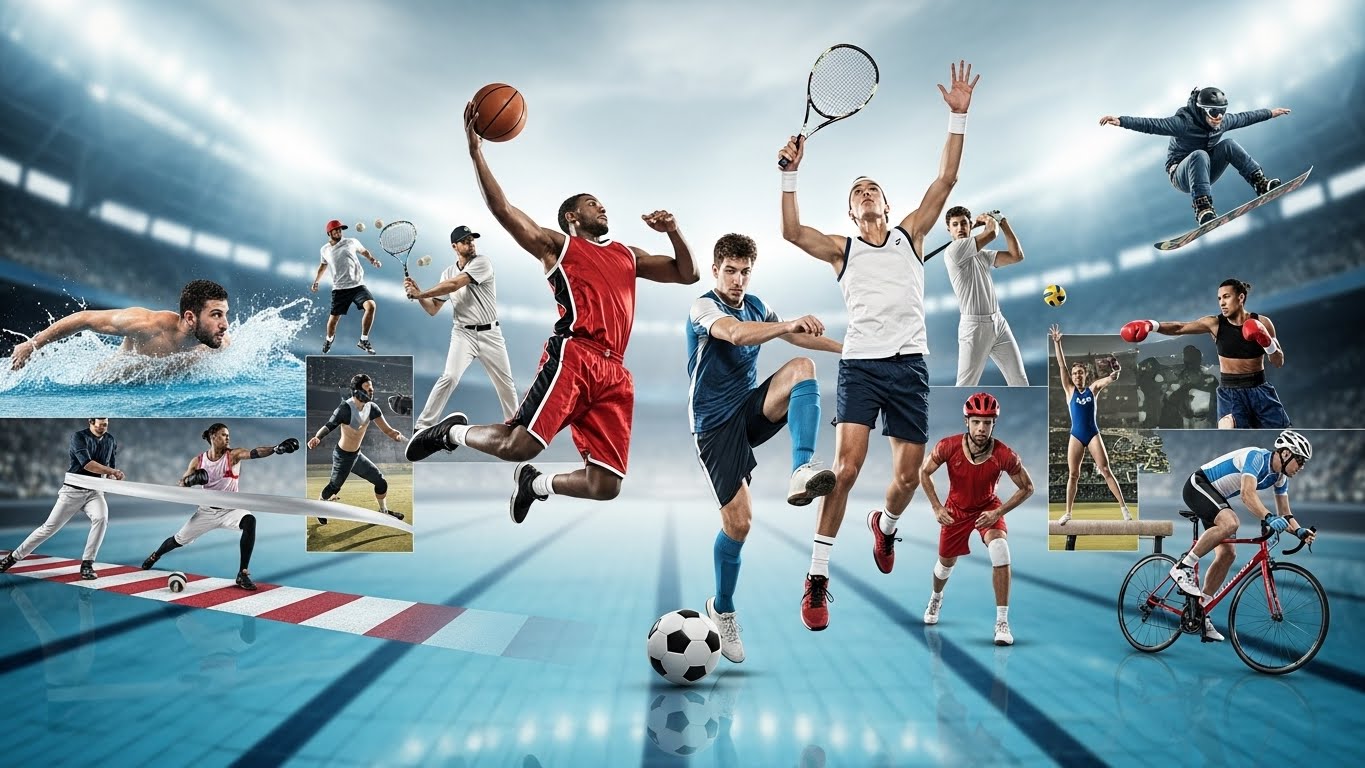
Sport is often described as a physical contest, a structured form of play, or a way to test human capabilities. While these definitions are accurate, they barely scratch the surface of what sport truly represents. Behind every sprint, goal, throw, and swing lies a deeper narrative—one about identity, growth, unity, struggle, and triumph. Sport is not merely an activity; it is a reflection of society and a mirror that illuminates human nature.
In a world rapidly changing through technology and globalization, the role of sports remains timeless. It influences how we think, how we behave, and how we connect. This blog aims to dive into the heartbeat of sports—the emotions, culture, and lessons woven into the fabric of every competitive moment.
The Emotional Landscape of Sports
Sport is a universal language, understood by emotion rather than words. The exhilaration when your team wins, the heartbreak when a last-minute goal changes everything, the warmth of unity when strangers cheer for the same jersey—these sensations form the emotional architecture of sports.
Athletes experience a unique emotional roller coaster. Their victories feel euphoric, but their failures can be crushing. Yet, it is precisely this emotional intensity that makes sports compelling. Fans invest emotionally too. Supporting a team becomes part of identity, sometimes passed down for generations. Such emotional bonds remind us that sports deliver something deeper than entertainment—it gives people a sense of belonging.
Competition as a Catalyst for Personal Growth
At its core, sport thrives on competition. It is not just about winning; it is about testing limits. Competition invites individuals to confront challenges, sharpen abilities, and rise beyond self-imposed boundaries.
Young athletes learn discipline by training consistently. They learn resilience every time they fall short and decide to try again. They learn humility when someone else performs better and courage when they must perform under pressure.
These lessons transcend the boundaries of the field, court, or track. The mindset developed through sports—determination, focus, adaptability—is the same mindset that helps individuals excel academically, professionally, and socially. In this sense, sport is not just preparation for competition; it is preparation for life.
The Role of Sports in Community Building
Walk into a stadium on game day, and you will witness a united community. People from different backgrounds, beliefs, and cultures gather under one shared passion. This unity is one of the most powerful aspects of sports.
Local sports clubs often become the heart of a community. They provide a place for children to play, for families to gather, and for friendships to bloom. Schools and universities connect through interschool competitions, fostering school spirit and shared pride.
Even in professional arenas, sports create large communities of fans who share traditions, rituals, chants, and stories. These communities often extend far beyond the stadium, influencing social interactions and connecting people across the globe.
Sport as a Cultural Identity
Every country, region, and tribe has its own sports that contribute to cultural identity. Traditional games passed down for generations embody the history and values of a people. National sports events reinforce patriotism, while international competitions showcase cultural diversity.
For many cultures, sports symbolize heritage. Whether it is wrestling, cricket, football, martial arts, or indigenous games, each holds meaning beyond physical competition. They preserve traditions, celebrate history, and honor ancestors.
Modern sports also influence pop culture. Athletes become cultural icons, shaping fashion, music, and even language. Stadiums turn into cultural landmarks, and major sporting events become global festivals. The cultural influence of sport is both profound and far-reaching.
The Psychology Behind Athletic Performance
Sports psychology has evolved into a crucial discipline, recognizing the significant impact of mental strength on performance. Physical skill is essential, but the mind is the real game-changer.
Athletes must master concentration, overcome anxiety, visualize success, and build confidence. Pressure—whether from competition, audience expectations, or personal goals—often becomes their greatest opponent. Mental training helps athletes control emotions, stay focused, and remain resilient.
This psychological dimension explains how athletes achieve extraordinary feats. It teaches us that mental strength is not an innate trait; it is a skill developed through practice and persistence. The lessons learned in sports psychology are valuable in everyday life—from managing stress to building a positive mindset.
Sports and the Power of Role Models
Athletes often become role models, inspiring millions with their determination, humility, and achievements. Their stories of struggle and perseverance encourage young people to pursue dreams and overcome adversities.
Role models also embody important virtues—teamwork, fairness, dedication, and respect. When these values are displayed consistently, they influence fans and society at large. Athletes have the power to inspire movements, promote social causes, and shape the next generation’s values.
However, this influence also brings responsibility. Athletes, being public figures, are expected to uphold integrity both on and off the field. Their actions and words carry weight, reminding us that sportsmanship extends beyond competition.
The Globalization of Sports
Modern technology has transformed sports into a global phenomenon. Fans can watch games, follow athletes, and track events from anywhere in the world. International competitions bring together nations and celebrate global unity.
The globalization of sports has opened doors for athletes to compete internationally and train with experts worldwide. It has increased cultural exchange and created opportunities for economic growth through sponsorships, tourism, and media.
Yet, globalization also brings new challenges—balancing tradition with modernization, ensuring fair competition, and maintaining the authenticity of sports amidst commercialization. These dynamics shape the future of global sports.
Youth Development Through Sports
For children and teenagers, sports play a vital role in physical, emotional, and social development. Participation in sports helps them build strong bodies, develop coordination, and maintain healthy lifestyles.
Beyond physical benefits, sports teach crucial life skills—teamwork, communication, leadership, patience, and problem-solving. Young athletes learn to collaborate, make quick decisions, and manage both victory and defeat.
Sports also provide a safe environment for self-expression. They help young people build confidence, reduce stress, and discover their strengths. For many, sports become a path to education through scholarships and future career opportunities.
How Sports Unite and Heal
Sports possess a remarkable ability to heal communities during difficult times. Throughout history, sporting events have united countries recovering from war, natural disasters, or social unrest. They create hope and give people a break from hardship.
Athletes often use their platforms to support humanitarian causes, raise awareness, and promote peace. Sports diplomacy—using sports as a tool for international cooperation—has played a role in improving relations between nations.
On a personal level, sports help individuals heal mentally and emotionally. Physical activity reduces stress, improves mood, and provides purpose. For many, sports offer a path to recovery and resilience.
The Future of Sports: Innovation and Evolution
The future of sports is evolving rapidly. Technology is reshaping training methods with advanced analytics, wearable sensors, and virtual reality simulations. Athletes can now monitor performance, predict injuries, and optimize training like never before.
Esports is emerging as a major contender in the sports world, blending gaming with competitive structure. Digital platforms are expanding the fan experience, offering interactive features and immersive viewing.
Despite these innovations, the essence of sports remains unchanged—human passion, skill, and spirit. Technology enhances the experience, but it does not replace the emotional depth and authenticity of competition.
Conclusion: The Timeless Spirit of Sports
Sport is one of humanity’s oldest and most celebrated traditions. It transcends language, culture, and geography. It teaches us to strive, to fail, to rise again, and to celebrate together. It builds communities, shapes identities, and inspires generations.
Whether played in a dusty field, a local gym, or a world-class arena, sport carries the same message: that human potential is limitless, that unity is powerful, and that competition can bring out the best in us.
In the end, sport is more than physical movement—it is a living story of passion, perseverance, and purpose. And this story will continue to evolve, inspiring people for centuries to come.