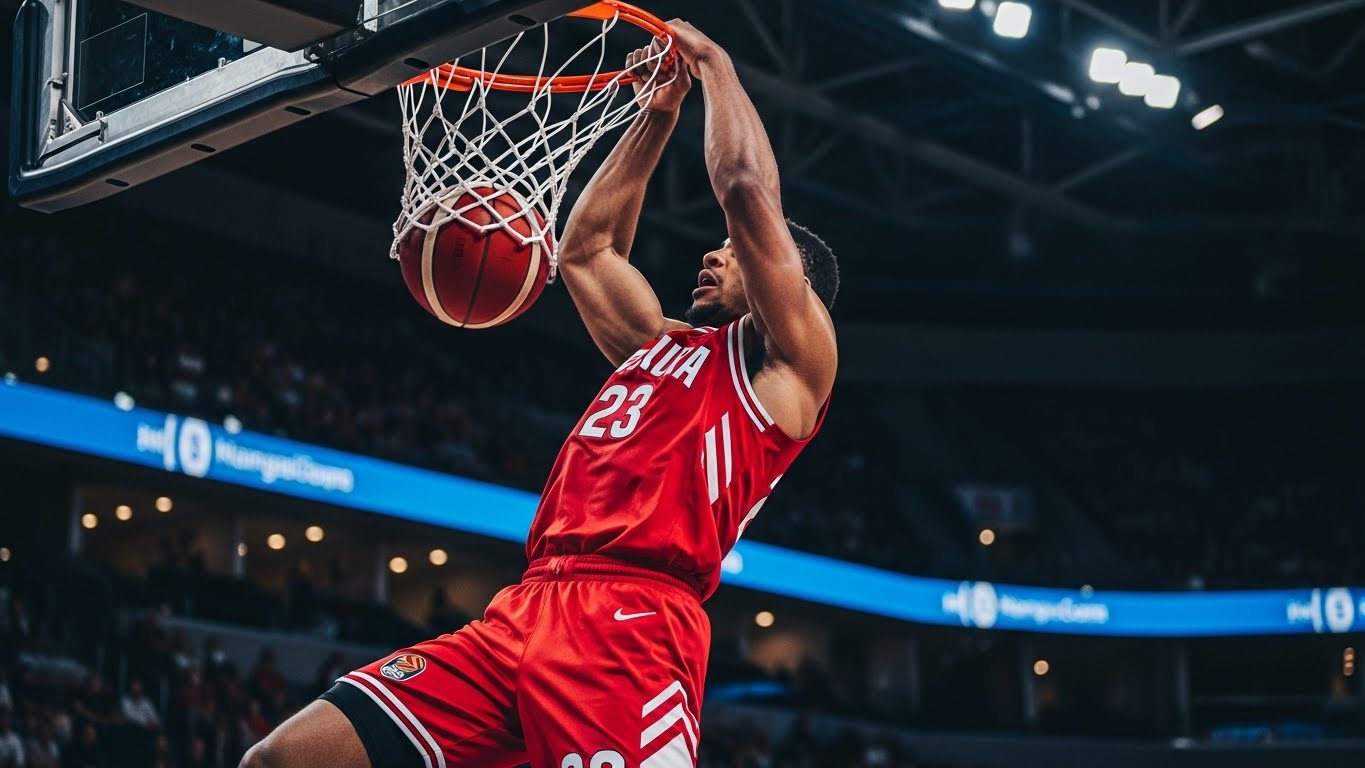

Introduction: The Universal Appeal of Sports
Sports have been an essential part of human civilization for centuries, serving as both entertainment and a reflection of cultural values. From ancient competitions in Greece and China to modern global events, sports unify communities, inspire excellence, and promote physical and mental well-being. Beyond mere competition, sports influence education, society, and technology, reflecting the human desire for achievement, teamwork, and personal growth. The universal appeal of sports lies not only in the thrill of victory but also in the shared experiences, narratives, and values they create.
The History and Evolution of Sports
The history of sports stretches back thousands of years. Ancient civilizations organized athletic competitions to honor gods, celebrate community achievements, or train warriors. The Olympic Games of Greece showcased running, wrestling, and chariot racing, emphasizing discipline, skill, and honor. Over time, sports evolved, incorporating new rules, equipment, and organizational structures. Modern sports span professional leagues, international competitions, and recreational activities, reflecting both traditional practices and contemporary innovation. This evolution demonstrates how sports adapt to societal changes while maintaining their core essence of competition, teamwork, and physical excellence.
Physical and Mental Benefits of Sports
Participation in sports provides numerous physical and mental benefits. Regular physical activity enhances cardiovascular health, muscular strength, flexibility, and endurance. It also reduces the risk of chronic diseases and supports overall longevity. Mental health benefits include improved mood, stress reduction, enhanced focus, and resilience. Team sports foster social skills, communication, and leadership, while individual sports promote self-discipline and personal responsibility. Engaging in sports encourages a balanced lifestyle, combining physical activity with mental growth and social interaction.
Team Sports and Collaboration
Team sports, such as soccer, basketball, cricket, and rugby, emphasize collaboration and collective strategy. Success in team sports requires communication, trust, and coordination among players. Each athlete contributes unique skills while working toward a common goal, reflecting the importance of cooperation in both sports and life. Team sports also teach conflict resolution, adaptability, and accountability, making them valuable tools for personal development and social cohesion. They demonstrate that athletic achievement often depends on unity, strategy, and shared effort.
Individual Sports and Personal Growth
Individual sports, such as tennis, athletics, swimming, and martial arts, focus on personal skill, discipline, and mental fortitude. Success is determined by individual preparation, focus, and decision-making, providing opportunities for self-reflection and personal achievement. Individual sports cultivate resilience, time management, and goal-setting skills. Athletes learn to overcome challenges independently while celebrating personal milestones, illustrating how sports can empower individuals and encourage continuous self-improvement.
Sports and Cultural Significance
Sports hold deep cultural significance, shaping national identity, traditions, and social norms. International events, such as the Olympic Games or the FIFA World Cup, foster global unity while celebrating cultural diversity. Local and regional sports create shared experiences and traditions within communities. Sports influence art, literature, and media, reflecting societal values, achievements, and narratives. By connecting people across different backgrounds, sports serve as a cultural bridge, highlighting both local pride and global interconnectedness.
Technology in Sports
Technology has transformed the way sports are played, analyzed, and consumed. Innovations include wearable fitness trackers, video replay systems, advanced analytics, and performance-enhancing equipment. Technology assists athletes in monitoring health, improving skills, and reducing injuries. Fans benefit from high-definition broadcasts, real-time statistics, and immersive experiences through virtual and augmented reality. By integrating technology, sports have become more precise, engaging, and accessible, creating a dynamic relationship between athleticism and innovation.
The Economics of Sports
Sports have a significant economic impact worldwide. Professional leagues, international tournaments, and recreational programs generate revenue through ticket sales, sponsorships, broadcasting rights, and merchandise. Sports stimulate local economies by creating jobs, promoting tourism, and encouraging infrastructure development. Additionally, sports-related industries, such as equipment manufacturing and fitness technology, contribute to global economic growth. The economic influence of sports highlights its role as both entertainment and a driver of financial activity and development.
Youth Engagement in Sports
Sports play a crucial role in youth development. Participation encourages physical activity, social interaction, discipline, and leadership skills. Schools and community programs provide structured opportunities for young athletes to explore interests, develop talent, and build confidence. Early engagement in sports fosters healthy habits, teamwork, and goal-setting skills that benefit youth both on and off the field. By investing in youth sports, societies promote long-term health, social cohesion, and future athletic talent.
Women in Sports
The rise of women’s sports has transformed global perceptions and opportunities in athletics. Female athletes now compete at the highest levels, breaking records, inspiring generations, and advocating for equality. Women’s sports leagues, international competitions, and media coverage continue to grow, challenging stereotypes and promoting inclusivity. Female participation highlights the importance of equal access, representation, and recognition in sports, demonstrating that athletic excellence transcends gender.
Sportsmanship and Ethics
Sportsmanship embodies respect, fairness, and integrity in competition. Ethical behavior ensures fair play, adherence to rules, and mutual respect between athletes, coaches, and officials. Good sportsmanship promotes positive interactions, discourages cheating, and enhances the overall experience of competition. Ethical values in sports translate into life lessons, teaching individuals responsibility, accountability, and respect for others. Sportsmanship underscores that the spirit of the game is as important as the outcome.
Global Sports Events
International sports events unite the world in celebration of athletic achievement. The Olympic Games, World Cup tournaments, and international marathons showcase talent, culture, and sportsmanship. These events inspire millions, foster global camaraderie, and create narratives of perseverance and triumph. Large-scale competitions highlight the universality of sports, providing shared experiences and memories that transcend borders, languages, and cultures. Global sports events exemplify the power of athletics to unite humanity through shared passion and excellence.
Sports and Media Influence
Media has transformed the way sports are consumed and celebrated. Television, radio, and digital platforms provide live coverage, analysis, and commentary, bringing games to audiences worldwide. Social media enables fans to interact with athletes, share opinions, and engage in real-time discussions. The relationship between sports and media amplifies visibility, creates stars, and generates narratives that inspire communities. Media coverage enhances accessibility and fosters emotional connections, turning sports into a central component of global culture and entertainment.
Sports and Health Awareness
Sports play a vital role in promoting health awareness. Public campaigns, athletic role models, and community programs encourage physical activity, healthy lifestyles, and preventative care. Participation in sports teaches individuals about nutrition, fitness, injury prevention, and mental well-being. By connecting athletic activity with health education, sports contribute to overall wellness, empowering individuals to adopt habits that improve quality of life and longevity.
The Future of Sports
The future of sports promises continued innovation, inclusivity, and global engagement. Technological advancements, such as virtual reality, AI analytics, and wearable devices, will enhance training, performance, and fan experiences. Emerging sports, adaptive games, and inclusive programs will broaden participation across ages, abilities, and genders. Sports will continue to evolve as both a professional industry and a personal pursuit, reflecting cultural trends, societal values, and technological progress. The future highlights sports’ enduring role in connecting, inspiring, and empowering individuals worldwide.
Conclusion: The Lasting Impact of Sports
Sports are more than competition; they are a reflection of human ambition, collaboration, and resilience. From physical and mental benefits to cultural, economic, and social influence, sports shape societies in profound ways. They foster teamwork, personal growth, ethical values, and global connection, providing lessons that extend beyond the field or court. As sports continue to evolve alongside technology, culture, and globalization, their role in entertainment, health, and personal development remains vital. Sports are, and will continue to be, a universal force that inspires, unites, and elevates humanity.