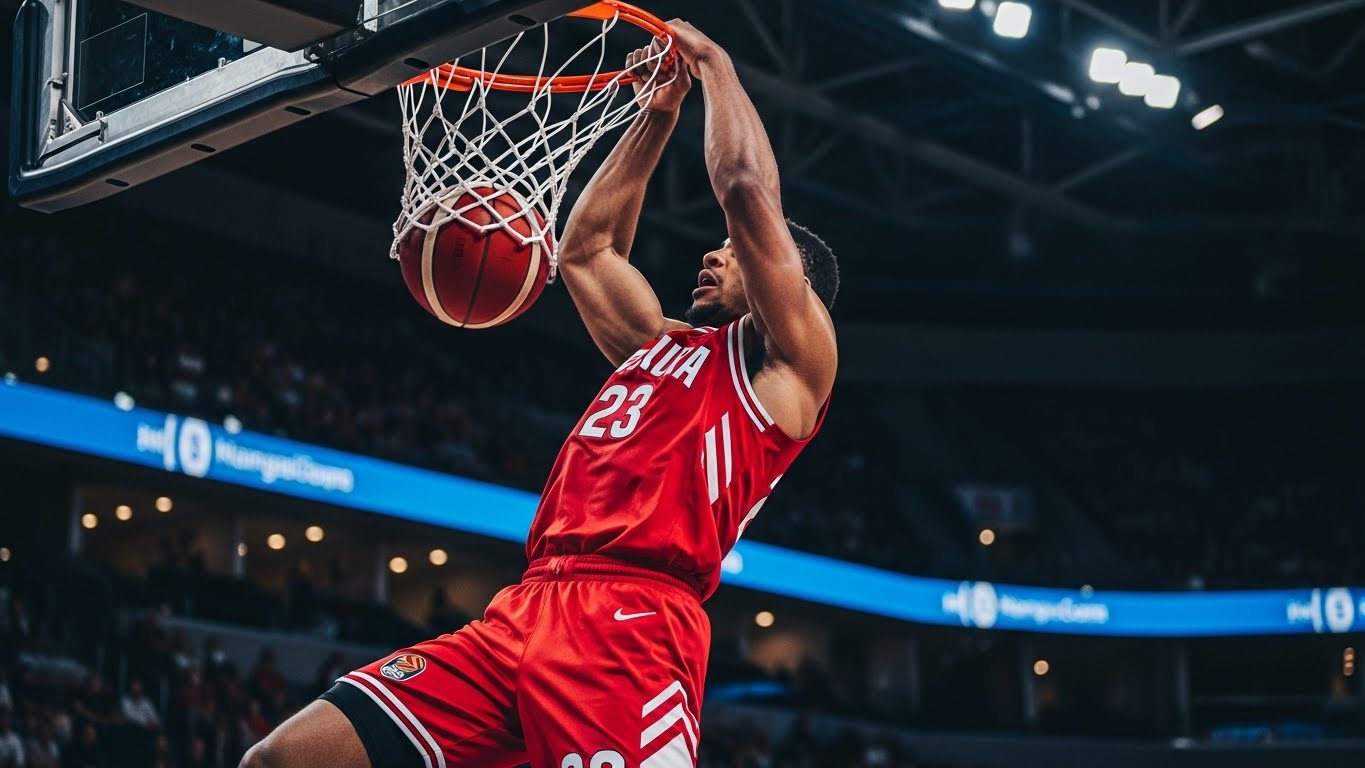
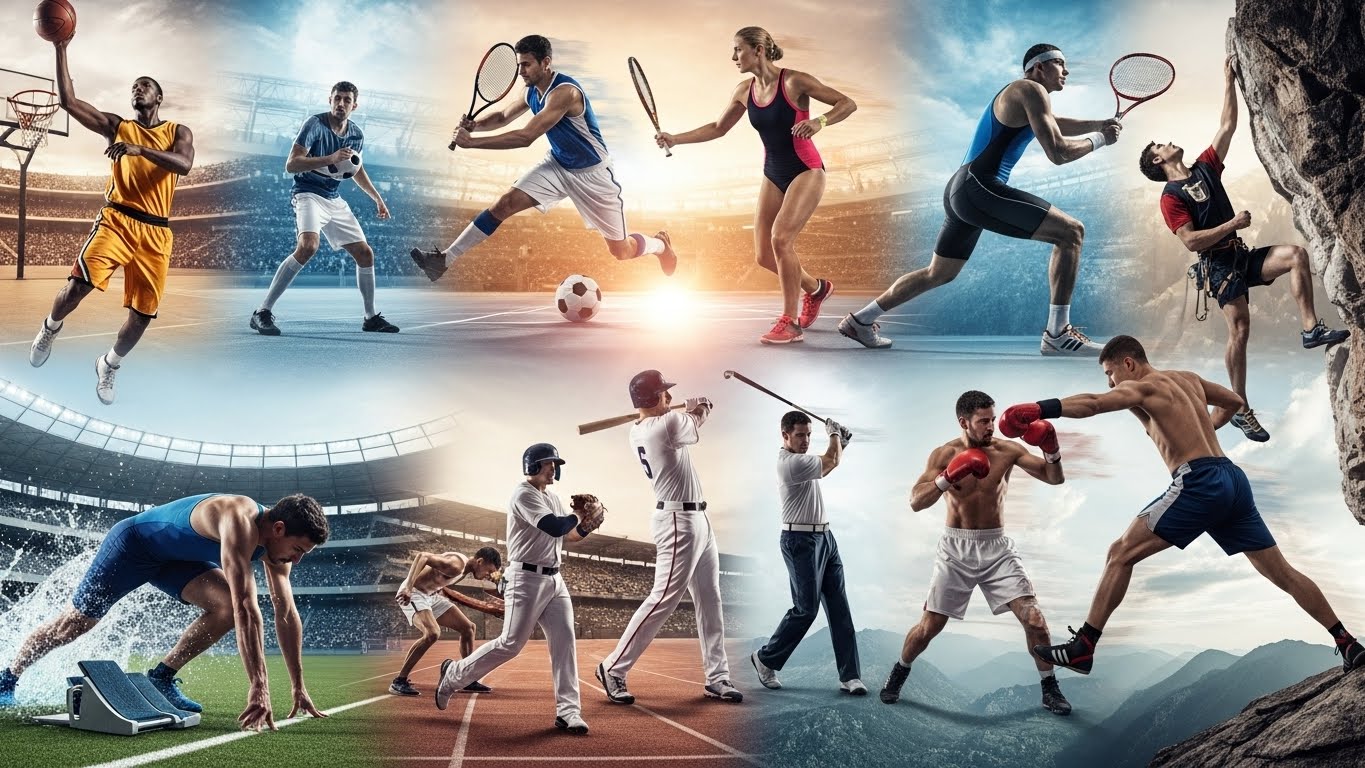
Sports, in their many forms, have long been considered one of the most powerful forces that unite people across cultures, languages, and backgrounds. Whether it’s the energy of a live stadium filled with cheering fans or the quiet intensity of a one-on-one match, sports have a unique ability to captivate and connect. From children kicking a ball in the street to world-class athletes competing in global tournaments, sports transcend barriers and speak a universal language that everyone can understand. In this blog post, we explore the multifaceted nature of sports—how they influence society, promote health, and foster community. We will also discuss the deep impact sports have on personal development, identity, and even the global economy.
Sports as a Universal Connector
One of the most striking features of sports is their ability to bring people together. Unlike many other forms of entertainment or leisure, sports have the rare power to unite people regardless of their geographical location, cultural background, or even language.
Consider the spectacle of the FIFA World Cup or the Olympic Games. These international sporting events are watched by millions of people from all corners of the world, each supporting their respective teams or athletes. It doesn’t matter if someone is from Brazil, Germany, or Japan—the shared experience of watching a match or competing for national pride fosters a sense of community. It’s not just about the game itself; it’s about the collective emotional journey that fans experience together, from the highs of victory to the lows of defeat.
Sports also bring together diverse groups within local communities. In cities and towns across the world, recreational leagues, pick-up games, and local tournaments form the foundation of sports culture. Regardless of age or skill level, people from all walks of life engage in sports activities that connect them with others in meaningful ways. This sense of camaraderie and unity is what makes sports not only a fun pastime but also an essential part of community life.
The Impact of Sports on Personal Health and Well-being
Sports are not just a way to bring people together—they also play a critical role in maintaining and improving personal health and well-being. The physical benefits of participating in sports are well-documented. Regular exercise, whether through team sports like soccer or individual activities like running, can help reduce the risk of chronic diseases such as heart disease, diabetes, and obesity.
Moreover, sports can significantly improve mental health. Physical activity stimulates the release of endorphins, the body’s natural “feel-good” hormones, which help reduce stress, anxiety, and depression. Many athletes talk about the therapeutic nature of sport—the ability to focus solely on the task at hand and forget about everyday worries. This is why sports can often serve as an outlet for individuals dealing with personal challenges, offering a sense of escape and relief.
The mental discipline required in sports also has a profound impact on personal growth. For athletes, training schedules, competition, and the pursuit of excellence foster qualities like perseverance, focus, and resilience. The discipline needed to succeed in sports often translates into other areas of life, whether it’s in academics, career, or personal relationships. Learning to deal with failure, to pick yourself up after a loss, and to keep striving for improvement are lessons that sports instill in individuals from a young age.
Sports as a Catalyst for Social Change
In addition to their role in individual health and personal development, sports have historically played a significant role in societal change. From the political implications of a sporting boycott to the quiet but powerful messages conveyed through athletes’ actions, sports have been used as a platform to challenge social norms and advocate for progress.
One of the most famous examples of this is the civil rights movement in the United States. Athletes like Jackie Robinson, Muhammad Ali, and Tommie Smith used their platforms in sport to speak out against racial injustice and inequality. Jackie Robinson broke the racial barrier in Major League Baseball, while Muhammad Ali’s refusal to fight in the Vietnam War became a pivotal moment in the anti-war movement. In the 1968 Olympic Games, Tommie Smith and John Carlos raised their fists in a Black Power salute during the medal ceremony as a silent protest against racial discrimination.
These actions show how athletes have used their visibility to spark social change. Sports continue to serve as a platform for advocacy, whether it’s raising awareness for mental health issues or promoting gender equality. Today, movements like “Black Lives Matter” and “LGBTQ+ rights” have seen athletes using their voices to fight for change and inspire action, reinforcing the notion that sports are not just about competition but also about contributing to the larger social fabric.
The Global Economy and the Business of Sports
The economic significance of sports has become undeniable. Professional sports leagues like the National Football League (NFL), National Basketball Association (NBA), and English Premier League (EPL) are some of the wealthiest and most successful business ventures in the world. These leagues generate billions of dollars in revenue each year through ticket sales, broadcasting rights, sponsorships, and merchandise sales.
But the impact of sports on the economy extends beyond just the major leagues. At the grassroots level, sports create jobs, stimulate local economies, and foster business opportunities. Sports facilities, such as stadiums and arenas, generate significant revenue not just for the teams but also for local businesses, from hotels to restaurants to transportation services. International sporting events, such as the FIFA World Cup and the Olympic Games, bring in millions of visitors and create long-term economic opportunities for host cities.
Moreover, sports tourism has become a major industry, with fans traveling across the globe to attend major events or to participate in sporting activities. Cities and countries host various tournaments, marathons, and races to draw in tourists and boost their local economies. In fact, some countries have used sports as a tool for economic development and branding, investing in infrastructure and promoting their national sports teams to increase tourism and international recognition.
The Educational Value of Sports
Sports are often viewed as a fun activity for children, but they also carry significant educational value. Participation in sports teaches important life skills that extend far beyond the playing field. Sports help children develop teamwork, leadership, and communication skills. Through competition, they also learn how to handle success and failure, fostering a sense of sportsmanship and respect for others.
School sports programs are not just about physical development; they are integral to creating well-rounded individuals. Many schools and universities offer scholarships for athletes, allowing young talents to pursue higher education while continuing to develop their skills. For many, sports provide a path to success, whether through academic scholarships or as a stepping stone to a professional career.
Beyond physical education, sports teach discipline and time management. Athletes must juggle training schedules, competitions, schoolwork, and social commitments, which helps them develop strong organizational skills. These are invaluable lessons that can be applied to other aspects of life, preparing young people for future challenges in both their personal and professional lives.
The Spirit of Competition and Its Role in Society
At the heart of sports is competition—the driving force that pushes athletes to perform at their best. But competition in sports is not just about winning; it’s about the spirit of striving for excellence and testing one’s limits. Competition encourages personal growth, fosters resilience, and creates an environment where individuals or teams constantly aim to improve.
In many ways, sports serve as a microcosm of society. The same traits that are valued in sports—hard work, dedication, collaboration, and fair play—are also essential in the real world. Sports teach people how to set goals, work toward them, and overcome setbacks along the way. This competitive drive is what shapes some of the world’s most successful individuals, whether they are athletes, entrepreneurs, or leaders in other fields.
Importantly, sports also provide an outlet for friendly competition. They offer a space where individuals can challenge themselves, while fostering mutual respect and admiration for their competitors. The sense of accomplishment that comes from pushing oneself to achieve a personal best is what drives athletes to continue striving for greatness, whether in sports or in life.
Conclusion: The Enduring Power of Sports
The beauty of sports lies in their ability to transcend boundaries, bring people together, and contribute to personal and societal growth. Whether through the health benefits they provide, the lessons they teach, or the social changes they inspire, sports play an essential role in the fabric of society. They have the power to unite, challenge, and elevate humanity in ways that few other activities can.
As we look to the future, the role of sports will only continue to evolve. With new technologies and platforms transforming the way we engage with sports, from virtual reality to streaming services, the reach and impact of sports will expand even further. However, the core values that have made sports such a powerful force—competition, community, and personal growth—will remain unchanged.
In the end, sports remind us of the things that connect us all. They offer an opportunity for people of all ages and backgrounds to come together, celebrate human potential, and enjoy the thrill of competition. The power of sports is a timeless and universal force that will continue to shape and inspire generations to come.