Sports have been an integral part of human civilization for centuries. They go beyond mere competition, shaping culture, fostering social bonds, promoting physical health, and inspiring millions worldwide. From ancient Olympic games to modern global tournaments, sports continue to influence how societies interact, celebrate talent, and pursue excellence. In this blog, we explore the history of sports, their physical and mental benefits, cultural significance, and the future of athletic endeavors.
The Origins of Sports
Sports have deep historical roots, dating back to ancient civilizations. The first organized sporting events are believed to have taken place in Egypt, Mesopotamia, and Greece, where games and competitions were held to honor gods, demonstrate skill, and prepare warriors. The Olympic Games in ancient Greece exemplify the cultural importance of sports, celebrating human strength, speed, and strategy.
Throughout history, different regions developed unique games reflecting their culture and society. Traditional games such as wrestling in ancient Mesopotamia, archery in Asia, and chariot racing in Rome provided entertainment, community bonding, and an avenue for skill development. These early forms of sport laid the foundation for organized competitions and athletic disciplines we know today.
The Evolution of Modern Sports
Modern sports evolved significantly during the 19th and 20th centuries, with standardized rules, professional leagues, and international competitions. Football, cricket, basketball, and tennis became organized with formal regulations, teams, and governing bodies. The creation of professional leagues transformed sports into careers and entertainment industries, attracting global audiences.
The revival of the Olympic Games in 1896 marked a new era, bringing together athletes from across the world to celebrate excellence, unity, and cultural exchange. Technological advancements, media coverage, and sponsorship transformed sports into major economic and cultural phenomena. Today, sports are not only competitions but also platforms for storytelling, inspiration, and social change.
Physical Benefits of Sports
Participation in sports offers numerous physical benefits. Regular physical activity strengthens muscles, improves cardiovascular health, and enhances flexibility and coordination. Engaging in sports can also help prevent obesity, reduce the risk of chronic diseases, and boost overall physical fitness.
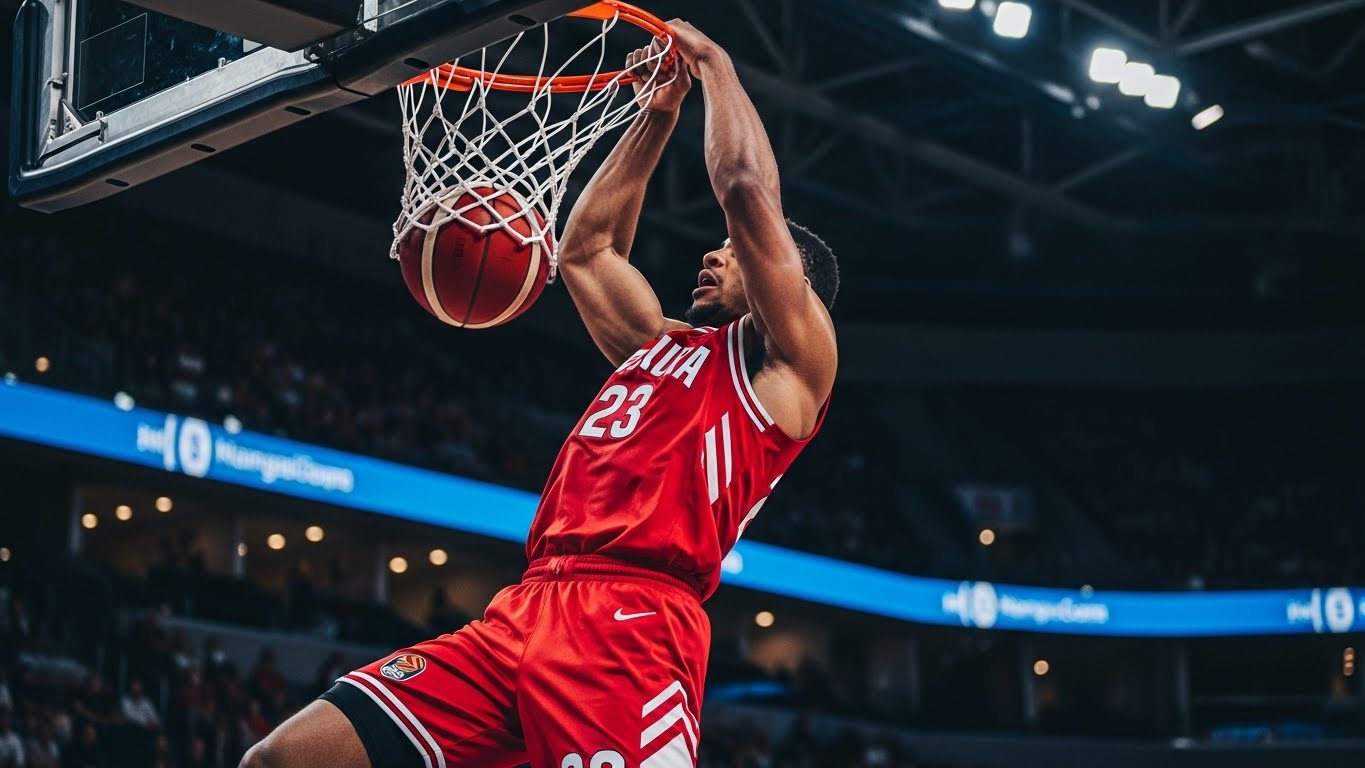
Different sports target various aspects of fitness. For example, endurance sports like running and swimming improve cardiovascular health, while strength-based sports such as weightlifting and wrestling build muscular strength. Team sports such as football and basketball promote agility, balance, and coordination. By encouraging consistent physical activity, sports contribute to a healthier and more active lifestyle.
Mental and Emotional Benefits
Sports are not only beneficial for the body but also for the mind. Participation in sports can improve focus, discipline, and resilience. Athletes learn to set goals, handle pressure, and overcome setbacks, which translates into valuable life skills.
Engaging in sports also reduces stress, anxiety, and depression by releasing endorphins and promoting mental well-being. The sense of achievement from mastering skills, winning competitions, or simply improving performance boosts self-confidence and emotional resilience. Mental toughness developed through sports often extends into personal and professional life, making athletes more adaptable and determined.
Teamwork and Social Skills
One of the most valuable aspects of sports is their ability to foster teamwork and social interaction. Team sports such as football, hockey, and volleyball require coordination, communication, and collaboration. Players learn to support each other, share responsibilities, and work towards common goals.
Sports also build leadership skills, empathy, and cultural awareness. Athletes often interact with teammates from diverse backgrounds, learning to respect differences and work effectively in collaborative environments. Beyond the team, sports cultivate a sense of community and belonging, strengthening social bonds and creating lasting friendships.
Sports as a Cultural Phenomenon
Sports reflect and shape cultural values. They celebrate excellence, perseverance, and fair play, providing shared experiences that transcend language and geography. Major events like the FIFA World Cup, the Olympic Games, and the Super Bowl attract global audiences, uniting millions through shared passion.
Sports also influence arts, fashion, and media. Athletic achievements inspire films, documentaries, literature, and music. Athletes often become cultural icons, representing values and ideals that resonate across generations. Sporting traditions and rituals, whether national or regional, contribute to cultural identity and pride.
Women in Sports
The role of women in sports has evolved significantly over the past century. Once marginalized, female athletes now compete at the highest levels in nearly every discipline. Events like the FIFA Women’s World Cup and the Women’s Olympic Games showcase talent, dedication, and resilience.
Increased visibility and recognition of women’s sports inspire younger generations to participate and pursue careers in athletics. Gender equality in sports promotes inclusivity, challenges stereotypes, and empowers women worldwide. Female athletes are not only competitors but also role models, advocates, and leaders in social change.
Technology and Innovation in Sports
Technology has transformed the way sports are played, viewed, and analyzed. Innovations such as video replay, goal-line technology, wearable devices, and performance tracking enhance accuracy, safety, and competitiveness. Analytics allow coaches to optimize strategies, assess player performance, and prevent injuries.
Virtual reality and augmented reality are creating immersive training experiences, enabling athletes to simulate scenarios and improve skills. Broadcasting technology has revolutionized how fans consume sports, offering high-definition streaming, interactive commentary, and real-time statistics. Technology continues to elevate the quality, accessibility, and excitement of sports worldwide.
The Economics of Sports
Sports are a significant economic force. Professional leagues, endorsements, merchandising, ticket sales, and broadcasting rights generate billions of dollars annually. The industry supports jobs in coaching, management, marketing, media, and event organization.
Sports tourism is another economic contributor, with fans traveling to attend tournaments, championships, and exhibitions. Investments in stadiums, facilities, and infrastructure not only enhance the sports experience but also stimulate local economies. The economic impact of sports demonstrates how athletic pursuits extend far beyond the playing field.
Sports and Youth Development
Sports play a crucial role in youth development. Participation from a young age teaches discipline, responsibility, and time management. Youth sports programs encourage physical activity, social engagement, and skill-building, laying the foundation for healthy lifestyles and personal growth.
Athletics provide opportunities for education, scholarships, and career pathways. Young athletes develop resilience, teamwork, and leadership, preparing them for challenges in school, work, and life. Sports also instill values of fair play, respect, and perseverance, which contribute to character development.
Globalization of Sports
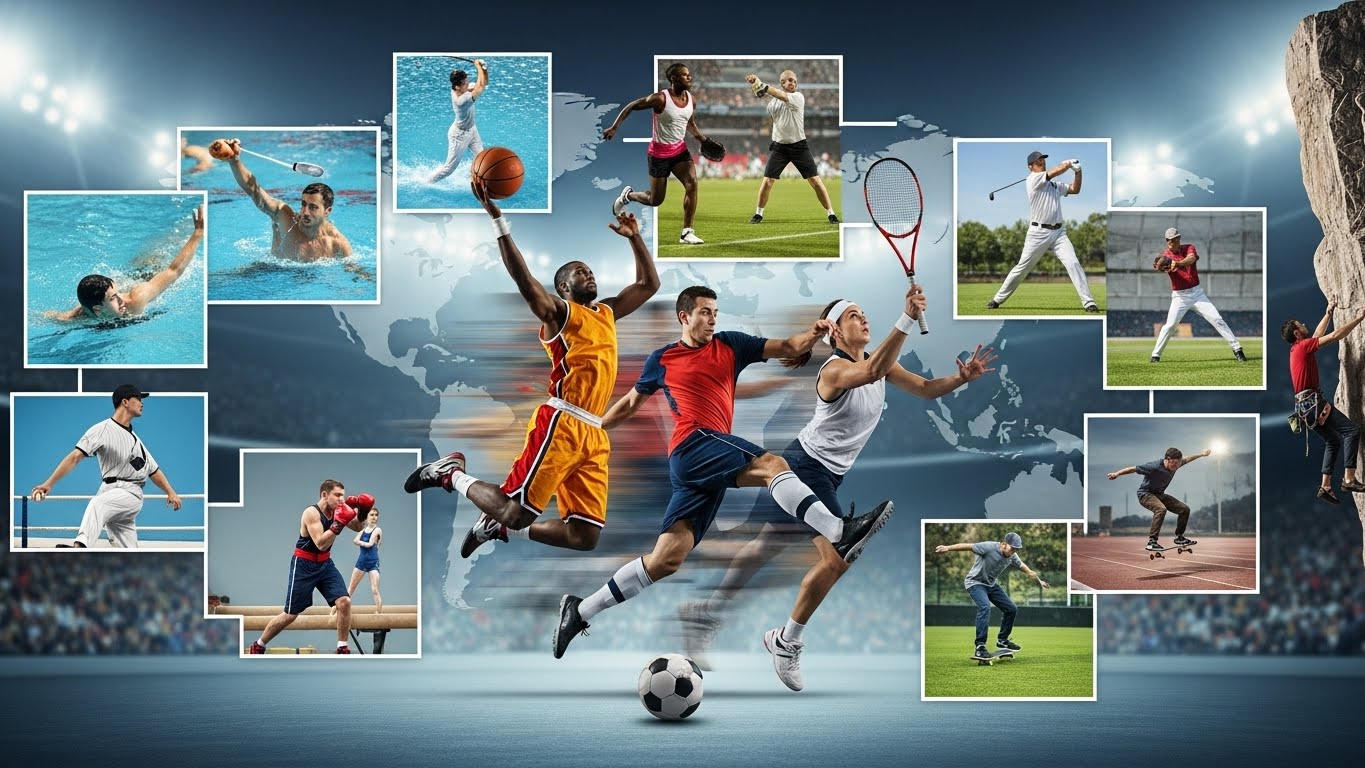
Sports have become a global language, transcending borders and connecting people worldwide. International competitions bring together athletes, fans, and cultures, fostering understanding and unity. Globalization has also expanded access to sports, enabling individuals to follow and participate in events from anywhere.
Media coverage, social networks, and streaming platforms allow fans to experience competitions in real time, creating global communities. The sharing of techniques, strategies, and sports science knowledge across countries enhances performance and innovation. Sports continue to bridge cultural divides and promote international collaboration.
The Future of Sports
The future of sports is exciting, driven by technology, inclusivity, and innovation. Emerging trends include eSports, which combines gaming and competition to create new avenues for athletic engagement. Virtual and augmented reality are making training and viewing more immersive than ever.
Sustainability will also shape the future of sports, with eco-friendly stadiums, energy-efficient events, and sustainable merchandise becoming priorities. Inclusive sports programs will continue to grow, ensuring opportunities for people of all genders, abilities, and backgrounds. The evolution of sports will reflect societal changes while maintaining the timeless values of competition, teamwork, and excellence.
Conclusion
Sports are much more than games—they are a powerful force that unites people, promotes health, inspires creativity, and drives culture. From ancient competitions to modern global tournaments, sports have shaped societies, fostered social bonds, and created opportunities for personal and professional growth.
The physical, mental, and social benefits of sports are invaluable. Participation in athletics strengthens the body, sharpens the mind, and nurtures character. Technology, globalization, and inclusivity continue to transform how sports are played, viewed, and experienced, ensuring that they remain relevant and engaging in the modern era.
As society advances, sports will continue to inspire, connect, and challenge individuals worldwide. They represent the best of human achievement, perseverance, and teamwork, proving that the power of sports extends far beyond the field, court, or stadium.