Introduction
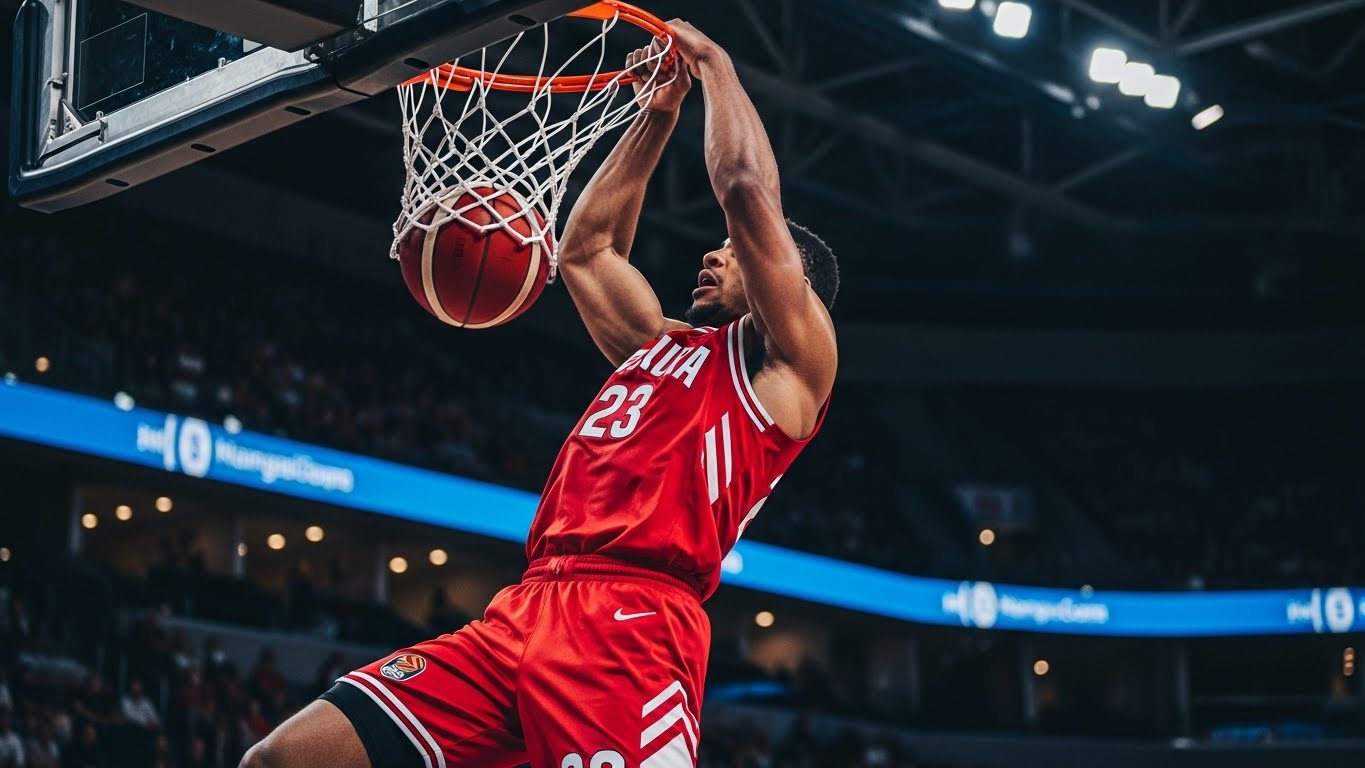
Sports are far more than a pastime or a form of entertainment. They are a reflection of human determination, resilience, and passion. From neighborhood playgrounds to international stadiums, sports bring people together, inspire excellence, and build stronger communities. In today’s fast-paced and technology-driven world, the role of sports is more crucial than ever. They not only promote physical fitness but also foster mental well-being, social skills, personal growth, and even cultural unity. This blog explores the multifaceted impact of sports and why they remain an essential part of human life.
Physical Health Benefits of Sports
The most obvious benefit of participating in sports is physical health. Engaging in regular physical activity strengthens the heart, improves lung function, and boosts overall stamina. Sports such as swimming, soccer, basketball, and running involve dynamic movements that enhance flexibility, balance, and coordination. These activities help prevent chronic illnesses, maintain healthy weight, and increase muscle strength.
For children, sports support the development of motor skills, bone density, and overall growth. Adults benefit from reduced risks of cardiovascular diseases, diabetes, and obesity. Even for older adults, moderate activities like walking, cycling, or yoga can improve joint health, maintain mobility, and increase longevity. Through consistent participation, sports encourage a healthier and more active lifestyle, ultimately leading to a better quality of life.
Mental and Emotional Advantages
Sports do more than improve the body; they strengthen the mind. Physical activity triggers the release of endorphins, natural mood enhancers that reduce stress and promote a sense of happiness. Participation in sports provides a mental break from daily challenges, offering focus and clarity.
Additionally, sports teach resilience. Athletes encounter victories, losses, and setbacks, learning to cope with disappointment and persevere despite obstacles. This mental toughness extends into other areas of life, helping individuals face challenges in academics, careers, and personal relationships with confidence and determination.
Sports also enhance concentration, discipline, and strategic thinking. The ability to stay focused under pressure, analyze situations quickly, and make sound decisions is cultivated through regular participation. These skills are invaluable not only on the field but also in real-life scenarios.
Building Social Connections Through Sports
One of the most remarkable aspects of sports is their ability to foster social interaction. Team sports like soccer, volleyball, and basketball require collaboration, communication, and mutual trust. Players learn how to work together towards a common goal, respect one another, and manage interpersonal dynamics. These social skills extend beyond the sports field into friendships, family life, and professional environments.
Sports also provide a sense of community and belonging. Local clubs, amateur leagues, and school teams create environments where people of all ages and backgrounds can connect. Shared experiences in sports unite people, breaking cultural, social, and economic barriers. This sense of camaraderie helps build stronger, more cohesive communities.
Character Development and Personal Growth
Sports are powerful tools for personal development. Participation teaches essential life skills such as discipline, responsibility, integrity, and time management. Athletes quickly learn the importance of hard work, consistency, and perseverance. Winning fosters confidence, while losing instills humility and encourages reflection.
Sports also cultivate leadership qualities. Captains guide teams, strategize, and motivate teammates, developing skills that are transferable to careers and social settings. Moreover, the respect for rules, referees, and opponents instills values of fairness, honesty, and empathy. These experiences shape individuals into responsible, well-rounded members of society.
Academic and Career Benefits
The connection between sports and academic performance is well-documented. Students who engage in sports often demonstrate improved concentration, better time management, and higher self-discipline. These attributes contribute to stronger academic outcomes and a balanced lifestyle.
Sports also open doors to professional opportunities. While some athletes pursue careers in professional sports, coaching, or training, others apply their sports experience to fields like business, education, and management. Employers value the teamwork, leadership, and problem-solving abilities developed through sports, making athletic experience an asset in professional growth.
Sports as a Cultural and Global Connector
Sports have a unique ability to transcend borders and cultural differences. International events like the Olympics, World Cups, and athletic championships bring nations together, fostering mutual respect and understanding. Athletes serve as ambassadors of goodwill, representing their countries while promoting unity and collaboration.
Cultural diversity in sports enhances appreciation for different traditions, languages, and perspectives. Fans and participants alike share in the excitement, celebrating victories and learning from one another. Sports offer a global platform for dialogue, peace, and cultural exchange.
Technological Advances in Modern Sports
The world of sports has evolved significantly with technology. Advanced training methods, wearable devices, and performance analytics help athletes optimize their skills and prevent injuries. Modern stadiums, instant replays, and live broadcasts make sports more accessible and enjoyable for fans worldwide.
Women’s sports have gained tremendous recognition, breaking traditional barriers and inspiring new generations of athletes. Adaptive sports for individuals with disabilities have also grown, showcasing incredible determination and redefining perceptions of ability. Technology continues to make sports more inclusive, competitive, and entertaining.
Youth Development and Sports
Sports play a critical role in shaping the next generation. Children and teenagers who engage in sports develop physical fitness, social skills, and self-confidence. They learn how to work in teams, follow rules, and set goals. These experiences help them navigate challenges, build resilience, and form positive habits early in life.
Schools and community programs that promote sports provide safe environments for growth, helping children focus on healthy activities rather than negative influences. Early exposure to sports fosters lifelong habits that benefit mental, physical, and emotional well-being.
Challenges in the World of Sports
Despite its benefits, the world of sports faces challenges. Young athletes often experience intense pressure to perform, which can lead to stress, burnout, or unhealthy competition. The misuse of performance-enhancing substances is another concern. Access to sports remains limited for certain communities due to socioeconomic factors, lack of infrastructure, or cultural barriers.
Injury prevention is also a significant concern, requiring proper training, safety protocols, and awareness. Ensuring inclusivity, fairness, and well-being is essential for sustaining sports as a positive force in society.
The Future of Sports
The future of sports is promising and dynamic. Innovations in technology, training, and accessibility continue to transform the landscape. Virtual reality, wearable devices, and AI-driven analytics are revolutionizing how athletes prepare, compete, and recover. Increasing global awareness about health, fitness, and inclusivity ensures that more people can participate and benefit from sports.
Sports will continue to unite communities, inspire individuals, and drive personal and social development. As more programs and initiatives promote sports participation, the positive impact on society will grow even further.
Conclusion
Sports are more than just games; they are a vital part of human life. They enhance physical health, strengthen mental resilience, foster social connections, and shape character. Sports teach invaluable life skills, offer career opportunities, and bring communities together. They promote global unity and cultural understanding while inspiring people to pursue excellence.
Whether you are an athlete, a fan, or someone considering getting active, embracing sports has transformative power. It nurtures the mind, invigorates the body, and connects people in ways that few other activities can. By celebrating and participating in sports, we invest in healthier, stronger, and more vibrant individuals and communities.