Introduction: More Than Just a Game
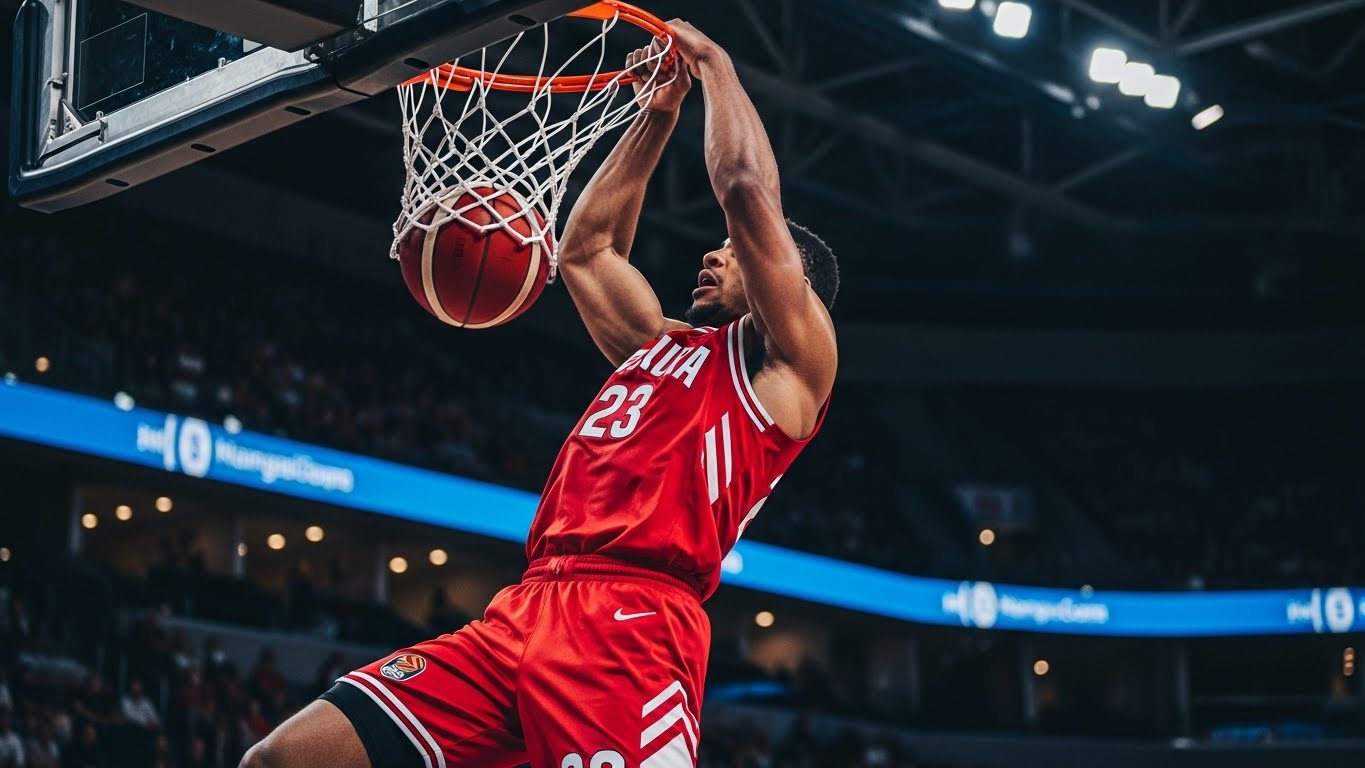
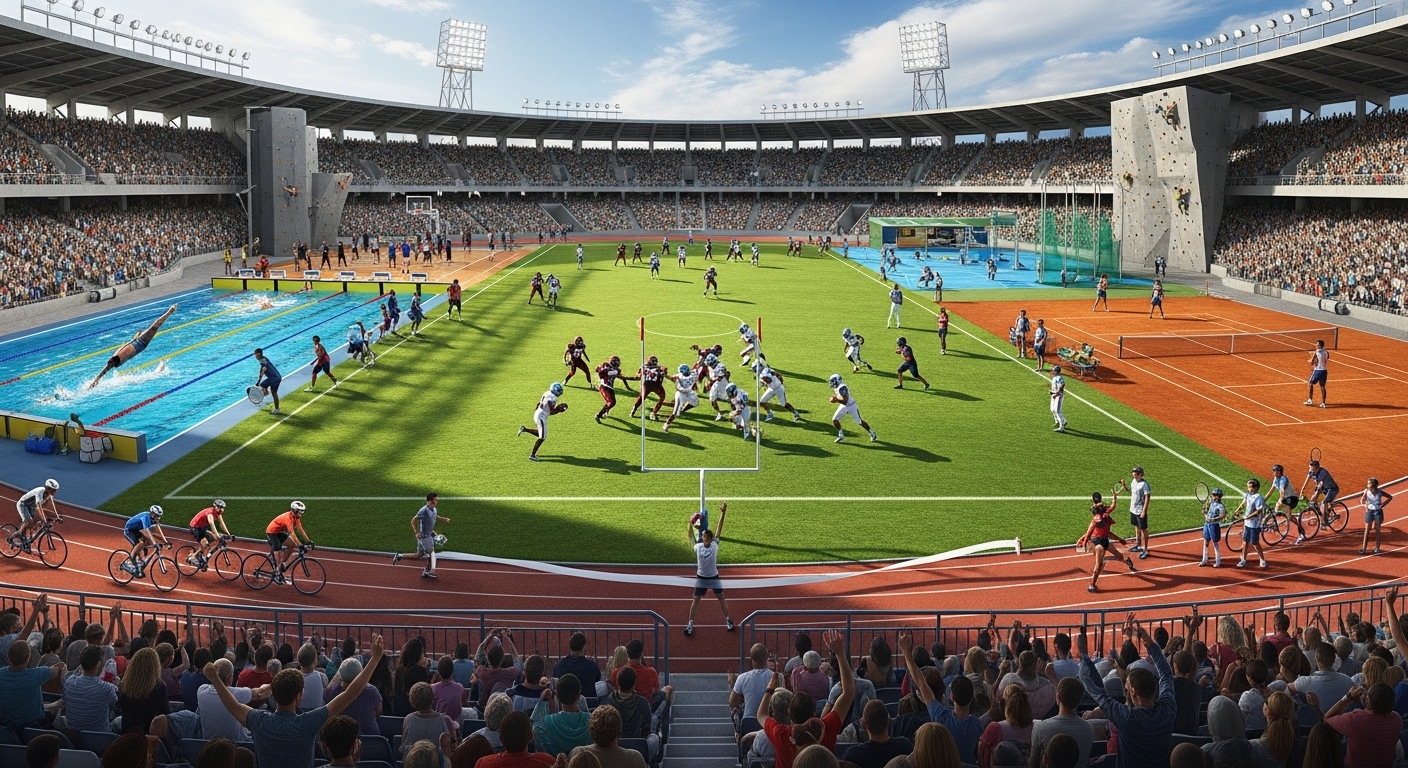
Sports are one of humanity’s most universal passions. They are not merely recreational activities; they are a reflection of our culture, our values, and our drive to excel. From ancient Olympic competitions to modern global leagues, sports have provided entertainment, unity, and inspiration across generations. The field of play is a platform for talent, strategy, and perseverance, but it also extends beyond the boundaries of stadiums and courts, influencing education, social cohesion, and personal development. This blog explores the multifaceted role of sports in society, their benefits, and their cultural significance.
The Historical Roots of Sports
Sports have a history as old as civilization itself. Ancient cultures organized athletic competitions to honor their gods, train warriors, and celebrate communal strength. The Olympic Games in ancient Greece exemplified this, where physical prowess and discipline were celebrated as virtues. Over centuries, traditional games evolved into modern sports like soccer, basketball, cricket, and athletics. With industrialization and global communication, sports expanded beyond local communities into national and international competitions, shaping global culture and establishing organized structures that continue to thrive today.
Physical and Health Benefits of Sports
One of the most obvious benefits of participating in sports is improved physical health. Regular activity enhances cardiovascular endurance, strengthens muscles, increases flexibility, and promotes overall fitness. Engaging in sports also helps prevent chronic illnesses such as obesity, diabetes, and hypertension. Beyond physical health, sports stimulate mental well-being. Exercise releases endorphins, which reduce stress, anxiety, and depression. Sports foster discipline, focus, and consistency, creating a foundation for a healthier, more active lifestyle that benefits individuals at all stages of life.
Developing Character Through Sports
Sports are a powerful tool for character development. Athletes learn resilience through setbacks, patience through rigorous training, and humility in both victory and defeat. Team sports teach collaboration, communication, and leadership, while individual sports cultivate self-reliance, focus, and accountability. Sports also instill goal-setting habits, encouraging participants to plan, strategize, and persevere to achieve success. These lessons extend beyond the playing field, influencing personal, professional, and social growth in profound ways.
The Social Role of Sports
Sports play a critical role in fostering community and social cohesion. Local leagues, school competitions, and recreational clubs bring people together, creating networks of friendship and support. Spectator sports unite fans, transcending social, cultural, and economic differences, while communal celebrations of victories or shared experiences of losses reinforce collective identity. Sports also provide opportunities for social inclusion, enabling marginalized groups, people with disabilities, and individuals from diverse backgrounds to participate and contribute to community life.
Sports as a Cultural Connector
Sports are a global language that transcends borders. International events such as the FIFA World Cup, the Olympic Games, and the Rugby World Cup connect millions worldwide, offering a platform for cultural exchange and mutual understanding. Athletes become cultural ambassadors, showcasing their nation’s values, traditions, and talent. Fans gain exposure to different languages, customs, and practices, fostering appreciation and respect for global diversity. Through sports, people develop a sense of shared humanity, united by the excitement of competition and the pursuit of excellence.
Technology in Modern Sports
Technological advancements have revolutionized how sports are played, analyzed, and consumed. Wearable devices monitor athlete performance, health, and recovery. Video analysis allows teams to study opponents, refine strategies, and improve training methods. Even fans experience sports differently through high-definition broadcasts, instant replays, and virtual reality simulations. Technology enhances competitiveness, safety, and engagement, making sports more dynamic and accessible to both participants and spectators worldwide.
Economic Impact of Sports
Sports are a major economic driver. Professional leagues, tournaments, and events generate billions of dollars through ticket sales, sponsorships, broadcasting rights, and merchandise. The industry creates employment opportunities for athletes, coaches, referees, medical staff, media professionals, and event organizers. Major sporting events stimulate local economies through tourism, hospitality, and urban development. Beyond finances, sports inspire investment in infrastructure, training programs, and youth development initiatives, underlining their far-reaching influence on economic growth and societal progress.
Women in Sports: Breaking Barriers
Women’s participation in sports has dramatically increased over the past century. Female athletes now compete professionally in leagues worldwide, break records, and challenge gender stereotypes. Increased visibility through media coverage and sponsorship has empowered women, providing role models for future generations. Sports encourage inclusivity, equality, and personal development for women, challenging traditional norms and inspiring social change. The success and recognition of women in sports underscore the transformative potential of athletic participation for societal progress.
Sports and Youth Development
Youth involvement in sports has profound benefits for growth and learning. Organized sports programs teach teamwork, responsibility, and leadership, while encouraging physical fitness and healthy competition. Participation in sports instills discipline, resilience, and time management skills, preparing young people for future challenges in life and career. Beyond physical and personal development, youth sports foster social skills, collaboration, and a sense of belonging, cultivating values that shape responsible, confident, and capable individuals.
Sports and Education
Sports and education are deeply intertwined. Schools and universities use sports as tools for holistic development, providing opportunities for scholarships, professional careers, and life skills. Competitive sports in educational institutions cultivate discipline, strategic thinking, and leadership qualities. Students learn to balance academics with athletics, promoting time management and resilience. Educational sports programs also encourage community involvement, teamwork, and collaboration, preparing students to contribute meaningfully to society while pursuing their passions.
Sportsmanship and Ethics
Sports are a platform for teaching ethical behavior, integrity, and fair play. Athletes are expected to respect rules, opponents, and officials, fostering trust and accountability. Sportsmanship encourages humility, honesty, and respect, qualities that extend beyond the playing field into everyday life. By promoting ethical competition, sports nurture moral development, create role models, and uphold values that reinforce societal standards of fairness and respect.
Sports as a Platform for Social Change
Sports have long been a vehicle for social change. Athletes and organizations use the platform to raise awareness about critical issues such as equality, human rights, and environmental protection. Historic moments in sports have influenced societal attitudes, inspired activism, and promoted inclusivity. Sports initiatives, community outreach programs, and charitable campaigns harness the popularity of sports to address pressing social challenges and foster positive transformation.
The Psychological Benefits of Sports
Participation in sports has significant psychological advantages. Physical activity stimulates the release of endorphins, improving mood, focus, and overall mental well-being. Team sports foster social interaction and a sense of belonging, while individual sports promote concentration, self-reflection, and mental resilience. Competitive sports teach coping strategies for dealing with failure, stress, and pressure, enhancing emotional intelligence and mental strength. The psychological benefits of sports extend beyond players, affecting spectators who experience joy, inspiration, and communal excitement.
The Future of Sports
The future of sports promises innovation, inclusivity, and global engagement. Advancements in technology will continue to enhance training, performance analysis, and fan experiences. Women’s sports, adaptive sports, and youth programs will further promote inclusivity and participation. Esports and digital competitions are expanding the definition of sports, integrating virtual elements with traditional athletic performance. Global sporting events will continue to unite people, foster cultural exchange, and stimulate economies. Sports will remain a dynamic force, continually evolving while maintaining its universal appeal.
Conclusion: Sports as a Cornerstone of Society
Sports are far more than recreational activities. They shape character, promote health, strengthen communities, and connect cultures. From local fields to international arenas, sports inspire passion, discipline, teamwork, and resilience. They influence social norms, cultural values, and economic growth while fostering inclusion, equality, and personal development. The impact of sports transcends the game itself, proving that athletic endeavors are not only about competition—they are a powerful force that shapes lives, builds communities, and reflects the essence of human potential.