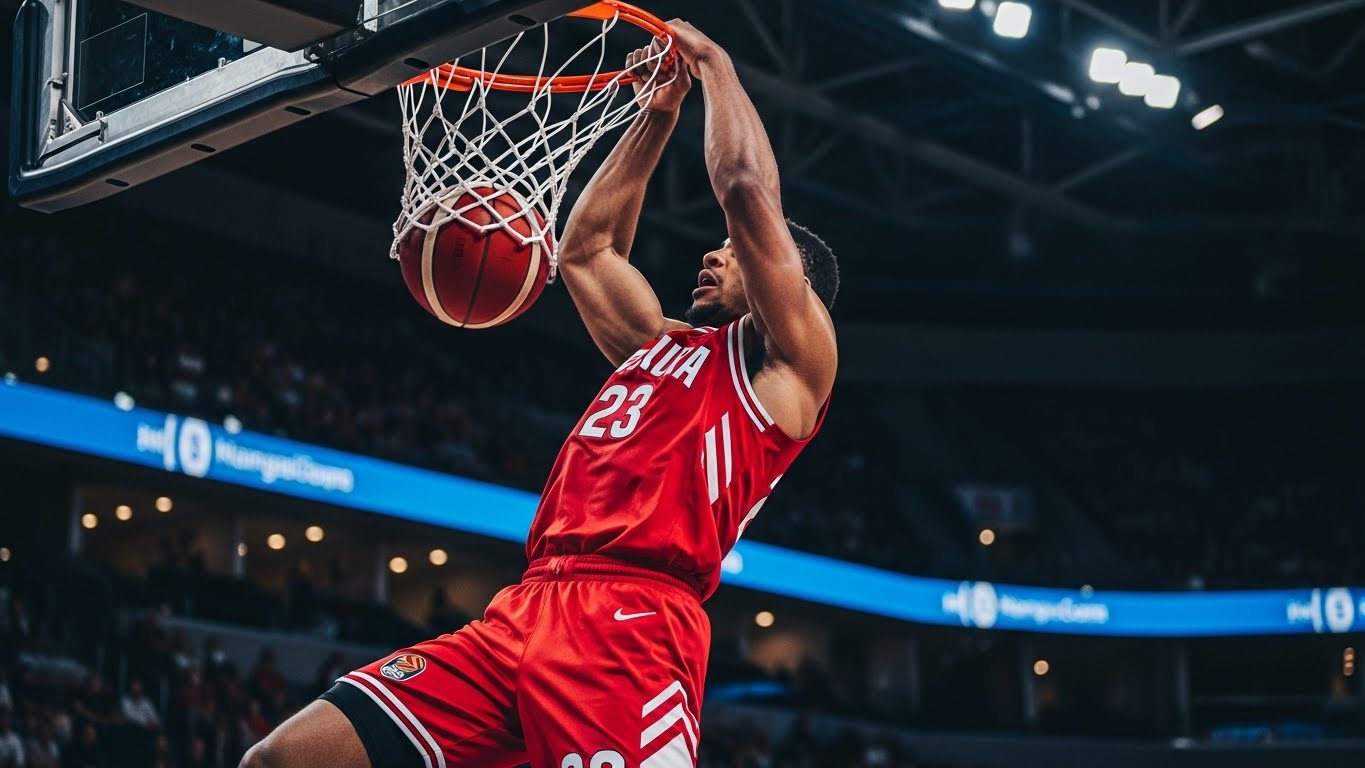

Introduction: The Heartbeat of Human Competition
Sports are one of the most powerful forces uniting humanity. They transcend borders, languages, and beliefs, connecting people through passion, competition, and emotion. Whether it’s the roar of a packed stadium or a child chasing a ball in a local park, the spirit of sports beats in every corner of the world. Sports reflect who we are—they showcase our determination, teamwork, resilience, and will to succeed. They are not just games; they are a mirror of society and a source of inspiration for generations.
In a rapidly changing world driven by technology and innovation, the essence of sports remains pure. The thrill of victory and the pain of defeat remind us of our shared humanity. This blog explores the deep impact of sports on individuals and communities, their evolution, their power to inspire change, and their growing influence in the modern world.
The Origins of Sports: From Ancient Rituals to Modern Glory
The history of sports stretches back to the dawn of civilization. Ancient societies engaged in physical contests to test strength, endurance, and courage. The early Olympic Games in Greece celebrated athletic excellence as a tribute to the gods. Roman gladiators fought in grand arenas, while ancient Chinese warriors practiced martial arts to build discipline and focus.
Sports were not just about competition; they carried social and cultural meaning. They symbolized honor, courage, and unity. Over centuries, these practices evolved into organized sports with rules, structures, and international appeal. Today’s sports—from football and athletics to basketball and cricket—trace their origins to those ancient traditions.
The evolution of sports mirrors the progress of human society. As we advanced in science, communication, and technology, sports too became global spectacles watched by billions. Yet, their core spirit remains unchanged: to challenge human limits and celebrate excellence.
The Spirit of Competition: More Than Winning
Competition is the soul of sports. It fuels ambition, drives improvement, and ignites passion. However, true sportsmanship goes beyond winning medals or trophies. It’s about pushing oneself to the edge, respecting opponents, and striving for excellence.
Every athlete knows the value of discipline, sacrifice, and perseverance. Hours of training, endless practice sessions, and mental preparation are the unseen struggles behind every victory. Sports teach that success doesn’t come overnight; it is earned through hard work, resilience, and patience.
Moreover, sports foster humility. Even the greatest champions have faced defeat. Learning to lose gracefully is as important as celebrating victory. This balance of pride and respect defines the true essence of sportsmanship and reflects the values that extend far beyond the playing field.
Teamwork and Unity: Strength in Collaboration
While individual achievements are celebrated, the most powerful moments in sports come from teamwork. A team’s success depends not only on talent but also on cooperation, communication, and trust. Every pass, assist, or defensive move contributes to a shared goal.
Team sports like football, basketball, and hockey emphasize unity. They teach individuals to put the collective above personal glory. Players learn to understand each other’s strengths and weaknesses, developing a sense of belonging and loyalty. These lessons apply to everyday life—whether in the workplace, school, or community—showing that great results come from collaboration.
The bond between teammates often turns into lifelong friendships, built through shared struggles, victories, and defeats. Sports remind us that unity is not just about playing together but about believing together.
Health and Wellness: The Foundation of a Strong Society
Sports are not only a source of entertainment but also a foundation for health and wellness. Regular physical activity strengthens the body, sharpens the mind, and enhances emotional well-being. In an era where digital distractions dominate daily life, sports offer a powerful antidote to sedentary habits.
Participation in sports improves cardiovascular health, builds muscle strength, and increases flexibility. It also boosts mental health by releasing endorphins, reducing stress, and enhancing self-esteem. For children, it supports growth and cognitive development; for adults, it helps maintain balance and productivity.
On a societal level, promoting sports can reduce healthcare costs and build healthier communities. Governments and organizations worldwide now recognize the role of sports in improving public health and fostering a culture of active living.
The Role of Sports in Education and Youth Development
Sports play an essential role in shaping young minds. Beyond physical fitness, they teach discipline, leadership, and emotional control. Young athletes learn how to set goals, manage time, and handle both victory and defeat gracefully.
Schools that integrate sports into their education systems produce well-rounded individuals who excel not only academically but also socially. Sports build confidence and character, encouraging students to take initiative and work under pressure.
For many youths, sports open doors to opportunities. Scholarships, professional careers, and community recognition can transform lives. Even for those who don’t pursue sports professionally, the lessons learned—teamwork, perseverance, and respect—remain valuable for life.
Women in Sports: Breaking Barriers and Inspiring Change
For centuries, sports were dominated by men, but the 20th and 21st centuries have witnessed a remarkable rise of women athletes who have broken stereotypes and inspired millions. Female sports icons have proven that talent and determination have no gender.
Women now compete at the highest levels, winning championships, setting world records, and commanding global admiration. Their presence in sports has challenged outdated beliefs and paved the way for equality.
Beyond competition, women in sports serve as role models. They inspire young girls to dream big and defy societal expectations. Sports empower women, giving them confidence and a platform to influence change. The continued growth of female participation in sports represents progress not just in athletics but in the fight for global equality and empowerment.
Sports as a Bridge Between Cultures
Sports have a unique ability to unite people beyond language, race, or nationality. International tournaments like the Olympics, World Cup, and continental championships bring together nations that might otherwise be divided by politics or ideology.
Athletes become ambassadors of peace, showing that mutual respect and fair play can bridge even the widest cultural gaps. The sight of athletes from different countries shaking hands after a hard-fought match symbolizes unity and harmony.
Sports diplomacy has even played a role in easing international tensions. Matches between rival nations often serve as opportunities for dialogue and understanding. The power of sports lies in its simplicity—it brings joy to millions and reminds us of our shared humanity.
Technology and Innovation in Modern Sports
The role of technology in sports has grown immensely. From advanced training equipment to data analytics and wearable devices, technology has revolutionized how athletes train and perform.
Coaches use motion sensors and video analysis to study performance and improve techniques. Artificial intelligence helps predict injuries and optimize recovery. In major events, technology ensures accuracy in decision-making—like goal-line technology and instant replay systems.
Fan engagement has also transformed. Virtual reality, augmented reality, and digital broadcasting allow fans to experience games from anywhere in the world. These innovations make sports more accessible and immersive than ever before.
However, technology must be balanced with human skill. While machines assist performance, the heart of sports still lies in human passion, creativity, and spirit.
The Economic Impact of Sports
Sports have become a significant driver of the global economy. The industry generates billions through sponsorships, broadcasting rights, tourism, and merchandise sales. Major sporting events create jobs, attract visitors, and boost local businesses.
Athletes themselves are influential figures who shape trends and inspire marketing campaigns. Sports-related industries, from apparel to health products, thrive on fan loyalty and participation.
Governments invest heavily in sports infrastructure, recognizing its potential for growth and international recognition. Hosting major events not only boosts a country’s economy but also strengthens its cultural and social image.
Sports, therefore, are not just a form of entertainment—they are an economic powerhouse that influences trade, employment, and innovation.
Overcoming Challenges: The True Test of Champions
Every athlete’s journey is filled with challenges—injuries, defeats, and self-doubt. What defines a champion is not perfection but perseverance. Sports teach us that obstacles are opportunities for growth.
Legends are not born overnight; they are forged through relentless effort and resilience. Every missed shot, every lost match, and every failure adds to the wisdom of victory. Sports are a reflection of life itself—a series of challenges that test character and reveal strength.
In the end, success in sports is not measured by trophies but by the courage to keep going, even when the odds are against you.
The Future of Sports: A New Era of Inclusion and Innovation
The future of sports promises even greater evolution. Esports, a digital form of competition, has already gained massive popularity, creating new opportunities for players and audiences alike. Sustainability is also becoming a focus, with eco-friendly stadiums and green initiatives transforming how events are organized.
Inclusion will continue to shape the future. Para-athletes, transgender athletes, and people from diverse backgrounds are gaining recognition, ensuring that sports remain open to all. The coming decades will likely see even closer integration between sports, science, and technology.
Yet, despite all advancements, the essence of sports will remain the same—a celebration of human effort, emotion, and excellence.
Conclusion: The Everlasting Power of Sports
Sports are a reflection of the human spirit—a blend of struggle, passion, discipline, and triumph. They unite people, inspire change, and remind us of what it means to dream and to dare.
In every competition lies a story of courage. In every athlete beats the heart of dedication. Sports bring out the best in us, teaching lessons that last far beyond the final whistle.
From ancient arenas to modern stadiums, from local fields to global championships, the love of sports continues to shape our world. It teaches us to rise after every fall, to respect our rivals, and to chase excellence with all our might.
The true beauty of sports lies not in winning but in the journey—the sweat, the sacrifice, and the spirit that defines humanity. As long as there are people who strive to push boundaries, the flame of sports will continue to burn bright, lighting the path toward unity, progress, and everlasting inspiration.