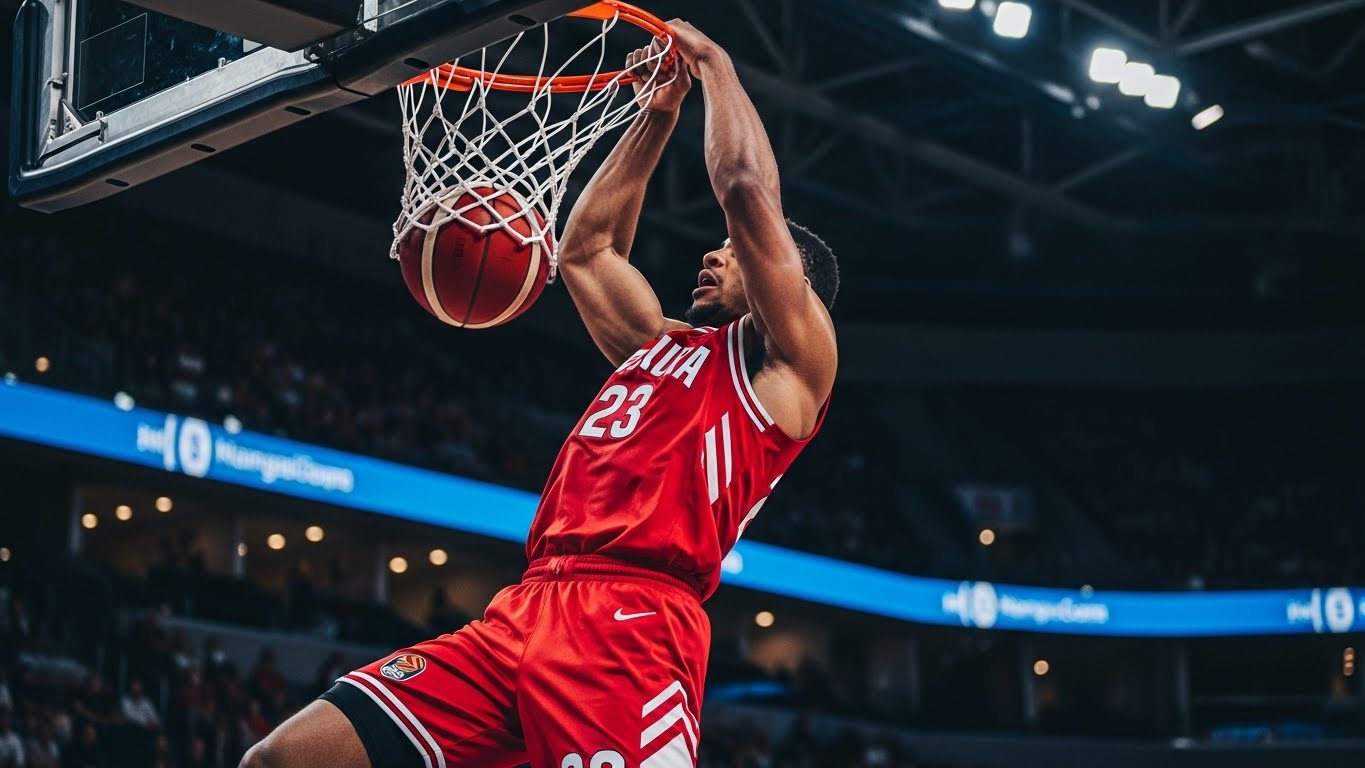
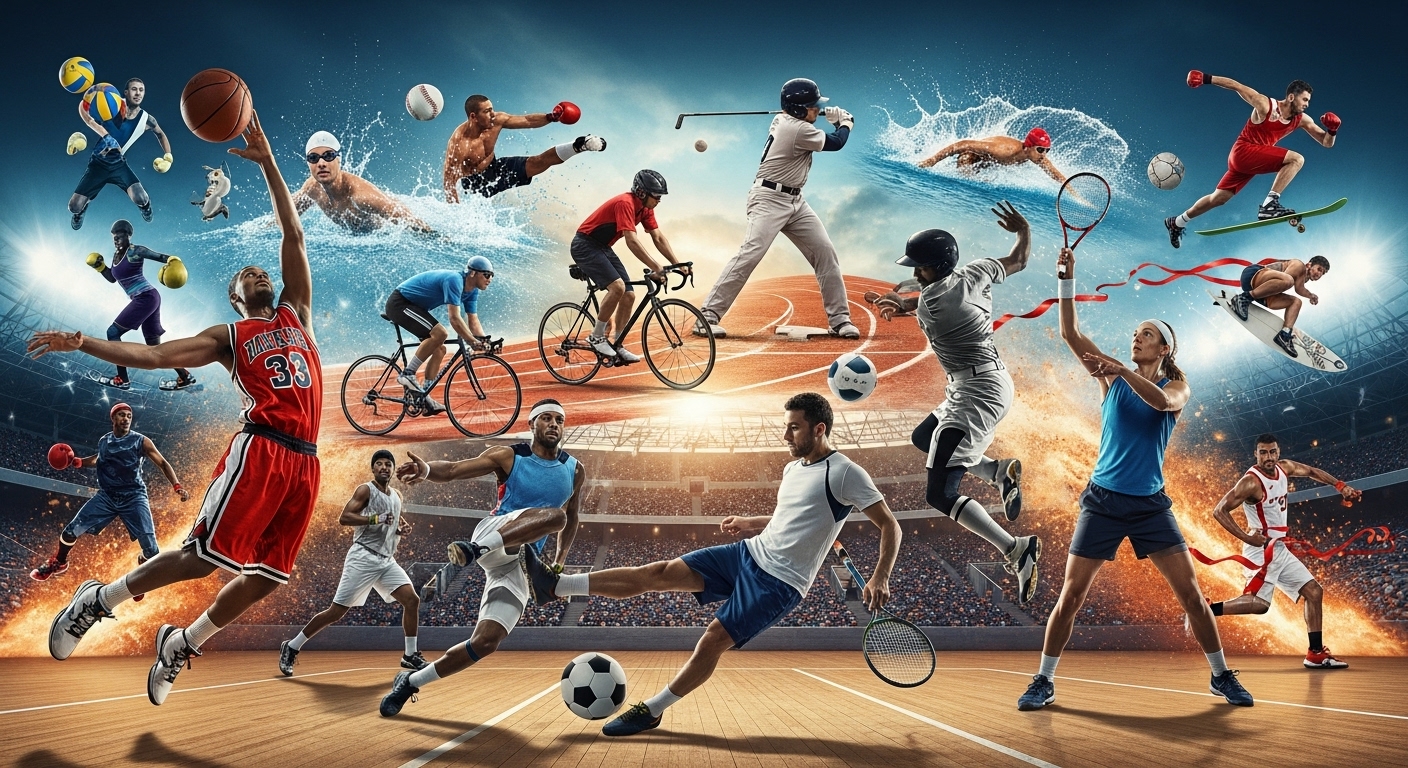
Sports have been an integral part of human culture for centuries, serving not only as a form of entertainment but also as a powerful medium to bring people together, inspire greatness, and build communities. Whether played professionally or for personal enjoyment, sports unite individuals from different walks of life, promoting values like teamwork, perseverance, discipline, and healthy competition. In this blog post, we’ll explore the timeless significance of sports, their impact on society, and why they continue to captivate audiences worldwide.
The Universal Language of Sports
One of the most remarkable aspects of sports is its ability to transcend barriers. In a world marked by cultural differences, language gaps, and geographical separations, sports provide a common ground for people to connect. A soccer match between teams from different continents can unite millions of fans in a shared experience, regardless of nationality, ethnicity, or socio-economic background.
This universal appeal of sports lies in its simplicity. Whether it’s the rhythm of a basketball game, the grace of figure skating, or the intensity of a cricket match, the fundamental emotions—excitement, joy, disappointment, and triumph—are easily understood by anyone watching. This common emotional language is why sports have become a global phenomenon, uniting people around a shared passion for excellence, competition, and achievement.
Sports as a Reflection of Society
Throughout history, sports have often mirrored the values, aspirations, and struggles of the societies in which they are played. In ancient Greece, the Olympic Games were not just an athletic contest but a celebration of human potential, paying homage to the gods and showcasing the virtues of strength, speed, and endurance. Similarly, the global prominence of sports like soccer, basketball, and tennis today reflects the continued emphasis on individual achievement and the collective pursuit of excellence.
At the same time, sports have also highlighted social issues. For example, the civil rights movements in the United States found powerful voices in the world of sports. Athletes like Muhammad Ali, Jackie Robinson, and Billie Jean King used their platforms to challenge racial and gender inequalities, forever altering the landscape of professional sports. This dynamic nature of sports, as both a mirror and a catalyst for societal change, demonstrates how deeply intertwined the world of competition is with the broader cultural and political fabric.
The Psychological and Emotional Impact of Sports
The power of sports extends beyond the physical realm into the psychological and emotional domains of human experience. For athletes, the thrill of competition fosters self-discipline, confidence, and resilience. The intense training, sacrifices, and mental fortitude required to reach the top levels of any sport help develop character traits that serve athletes both on and off the field.
For fans, sports offer an escape from the routine of everyday life. Watching a match can evoke a wide range of emotions, from the highs of victory to the lows of defeat. This emotional roller coaster creates a sense of connection between fans and athletes, as people often see their own struggles and triumphs reflected in the performances they watch. The collective joy of a team’s success or the collective heartbreak of a loss fosters a sense of belonging and community among fans.
Moreover, sports have a profound effect on mental well-being. Engaging in physical activity, whether through organized competition or recreational play, releases endorphins, the body’s natural mood enhancers. Regular participation in sports has been shown to reduce stress, improve mental clarity, and combat symptoms of depression and anxiety. It’s no wonder that sports are often recommended as a therapeutic tool for improving mental health.
The Power of Teamwork and Collaboration
While individual brilliance can capture the spotlight in sports, it’s often the power of teamwork that leads to the most significant accomplishments. In team sports like football, basketball, rugby, or volleyball, success is built on collaboration, communication, and mutual trust. Athletes must learn to work together, support one another, and place the team’s goals above individual ambitions.
The principles of teamwork in sports extend far beyond the playing field. In professional settings, collaboration and unity are essential for achieving shared goals. The lessons learned from working as part of a team—problem-solving, conflict resolution, and collective decision-making—are transferable to the workplace, helping individuals develop skills that are crucial in any career.
Furthermore, teamwork in sports can have a profound social impact. Team sports often bring together individuals from diverse backgrounds, fostering inclusivity and understanding. The bonds formed on the field can lead to lifelong friendships and provide a sense of belonging that extends far beyond the game itself.
The Role of Sports in Physical Fitness and Health
Beyond their entertainment value, sports are also crucial in promoting physical health. Regular physical activity through sports not only helps maintain cardiovascular health but also improves flexibility, strength, and coordination. The impact of sports on overall fitness is immeasurable, with countless studies highlighting the importance of exercise in maintaining a healthy lifestyle.
Participation in sports can also lead to the development of lifelong habits of physical activity. For children, engaging in sports from a young age can help establish a foundation for a healthy, active lifestyle that lasts well into adulthood. The skills and habits formed during childhood—such as regular exercise, proper nutrition, and self-care—set the stage for a lifetime of health and well-being.
Moreover, sports can be an effective way to combat the rising rates of obesity and related diseases such as diabetes and hypertension. With increasing concerns about sedentary lifestyles, especially among younger generations, the promotion of sports and physical activities becomes more important than ever. Government and community initiatives that encourage active participation in sports, both in schools and beyond, are vital for ensuring long-term public health.
The Economics of Sports: A Global Industry
The economic impact of sports is vast and far-reaching. Professional sports leagues generate billions of dollars annually through ticket sales, television broadcasting rights, sponsorships, and merchandise. Events like the Super Bowl, the FIFA World Cup, and the Olympic Games not only bring together global audiences but also contribute significantly to local and international economies.
Beyond professional sports, the sports industry also includes grassroots participation, fitness clubs, sporting goods manufacturing, and tourism. The growth of eSports, or competitive video gaming, is a testament to how sports-related activities continue to evolve, drawing in new audiences and generating economic activity. With digital platforms, online streaming, and social media, the sports industry has been able to tap into global markets, creating new revenue streams and expanding its reach.
Additionally, sports tourism is a rapidly growing sector, with fans traveling from all over the world to attend major sporting events. Cities that host international sporting competitions often experience a surge in tourism, with visitors spending on accommodations, transportation, food, and entertainment. The long-term benefits of hosting large-scale events include improved infrastructure, increased visibility, and enhanced international relations.
The Future of Sports: Evolution and Innovation
The world of sports is constantly evolving, driven by technological advancements, changing cultural norms, and shifts in consumer preferences. The future of sports promises exciting innovations, both in how games are played and how they are experienced.
Technology is playing an increasingly important role in enhancing the fan experience. Virtual and augmented reality are being integrated into sporting events, allowing fans to engage with their favorite sports in new and immersive ways. Enhanced viewing experiences, such as 360-degree camera angles and live interactive features, are becoming more common, bringing fans closer to the action than ever before.
On the field, the use of data analytics is transforming how athletes train and compete. Performance tracking tools, wearables, and video analysis are helping athletes optimize their performance, reduce the risk of injury, and fine-tune their strategies. Artificial intelligence (AI) and machine learning are also being used to analyze vast amounts of data, enabling coaches and teams to make more informed decisions about game tactics and player development.
As sports continue to evolve, so too do the ways in which they promote inclusivity and diversity. Gender equality, LGBTQ+ rights, and access to sports for individuals with disabilities are becoming more central to the conversation. Efforts to increase representation and opportunities for underrepresented groups are helping to create a more inclusive and equitable sporting landscape.
Conclusion
Sports are much more than a form of entertainment—they are a reflection of human potential, a source of inspiration, and a catalyst for social change. They bring people together, foster community, and promote values that transcend the playing field. Whether through individual triumphs or team successes, sports remind us of our shared humanity and our capacity to strive for excellence.
From the psychological benefits of participation to the economic impact of global sporting events, sports continue to shape our world in ways both big and small. As we look to the future, it’s clear that sports will continue to evolve, adapting to new technologies, cultural shifts, and societal needs. But one thing will remain constant: the unyielding passion and love for the game.